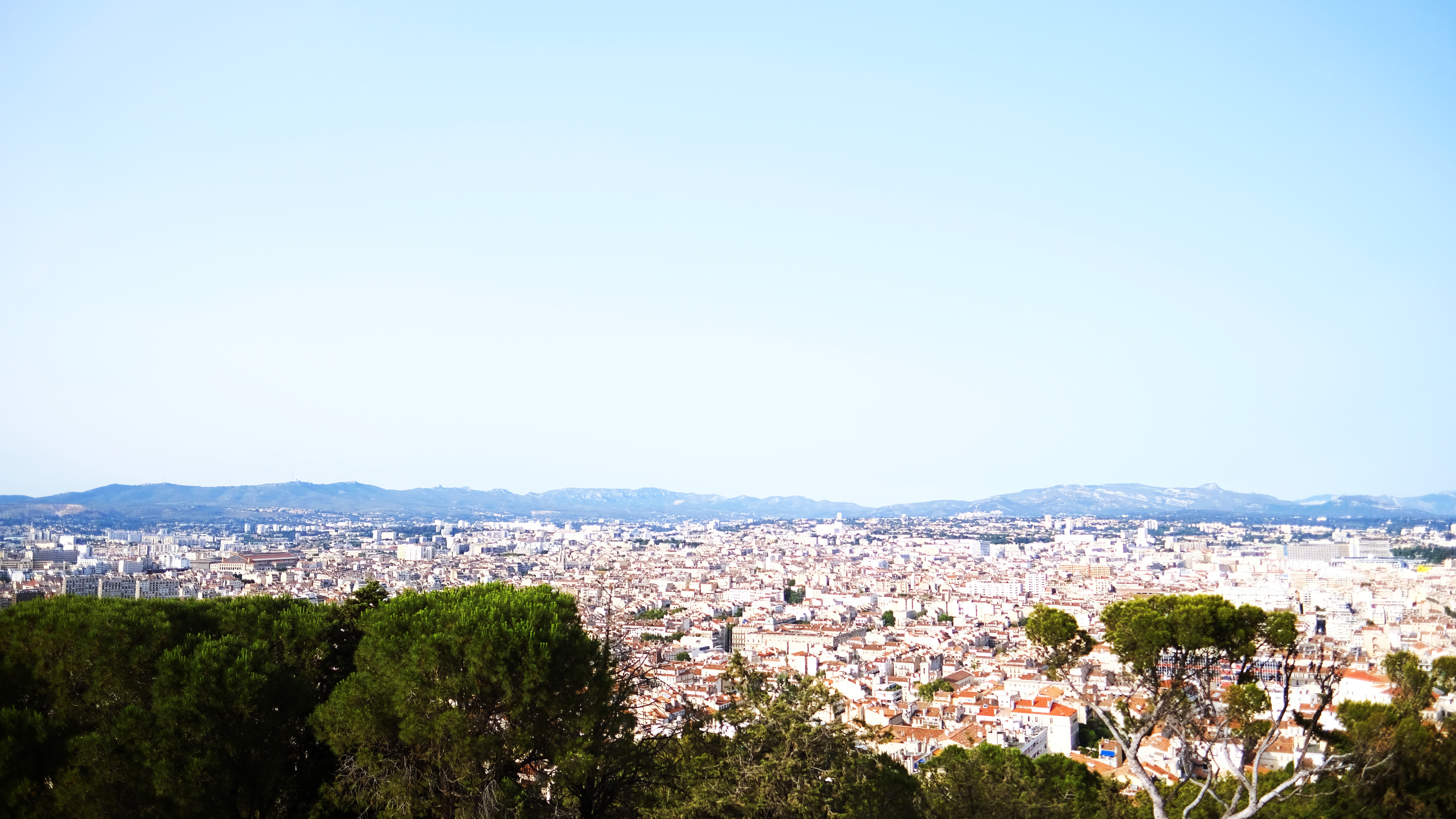
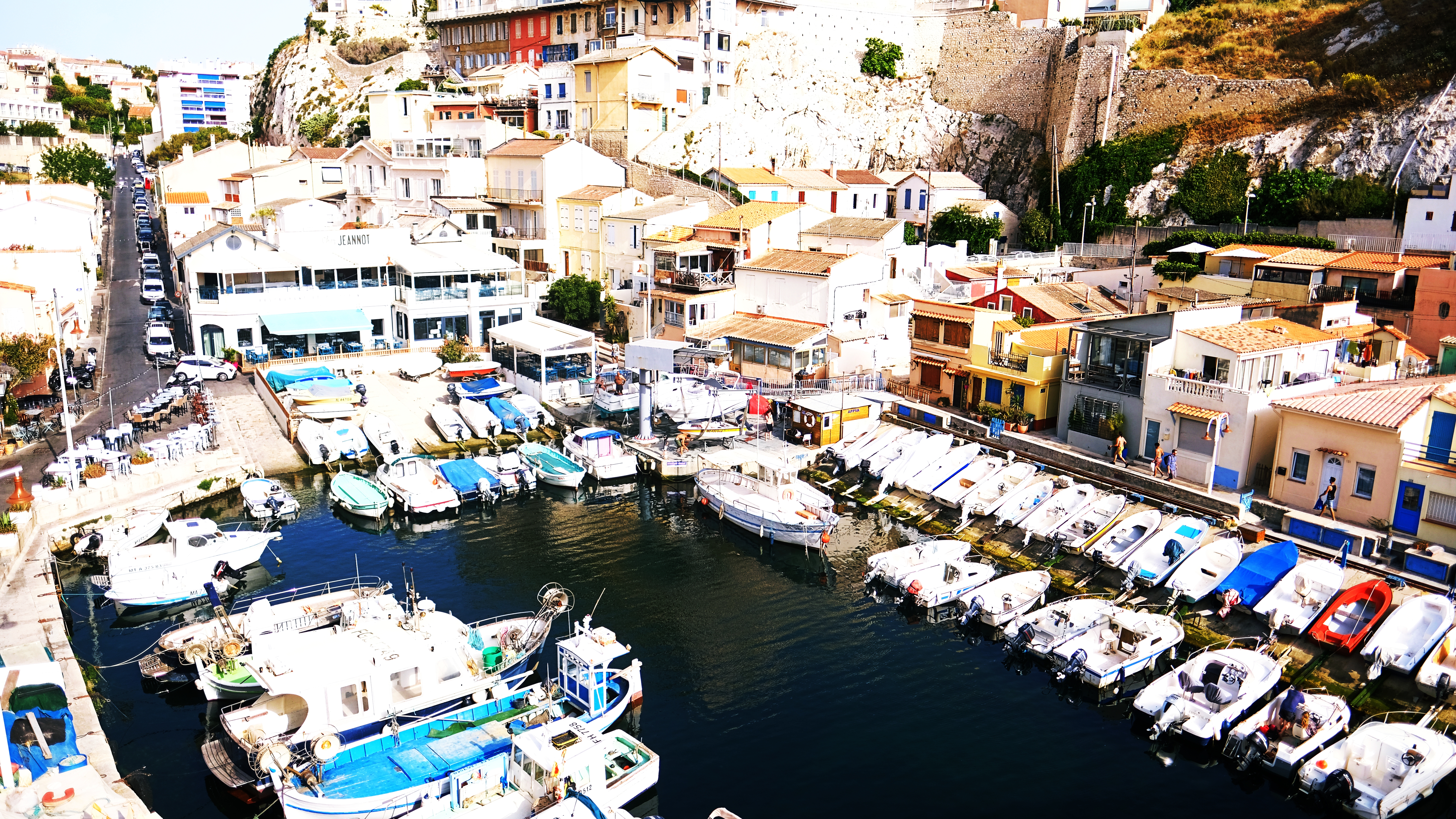
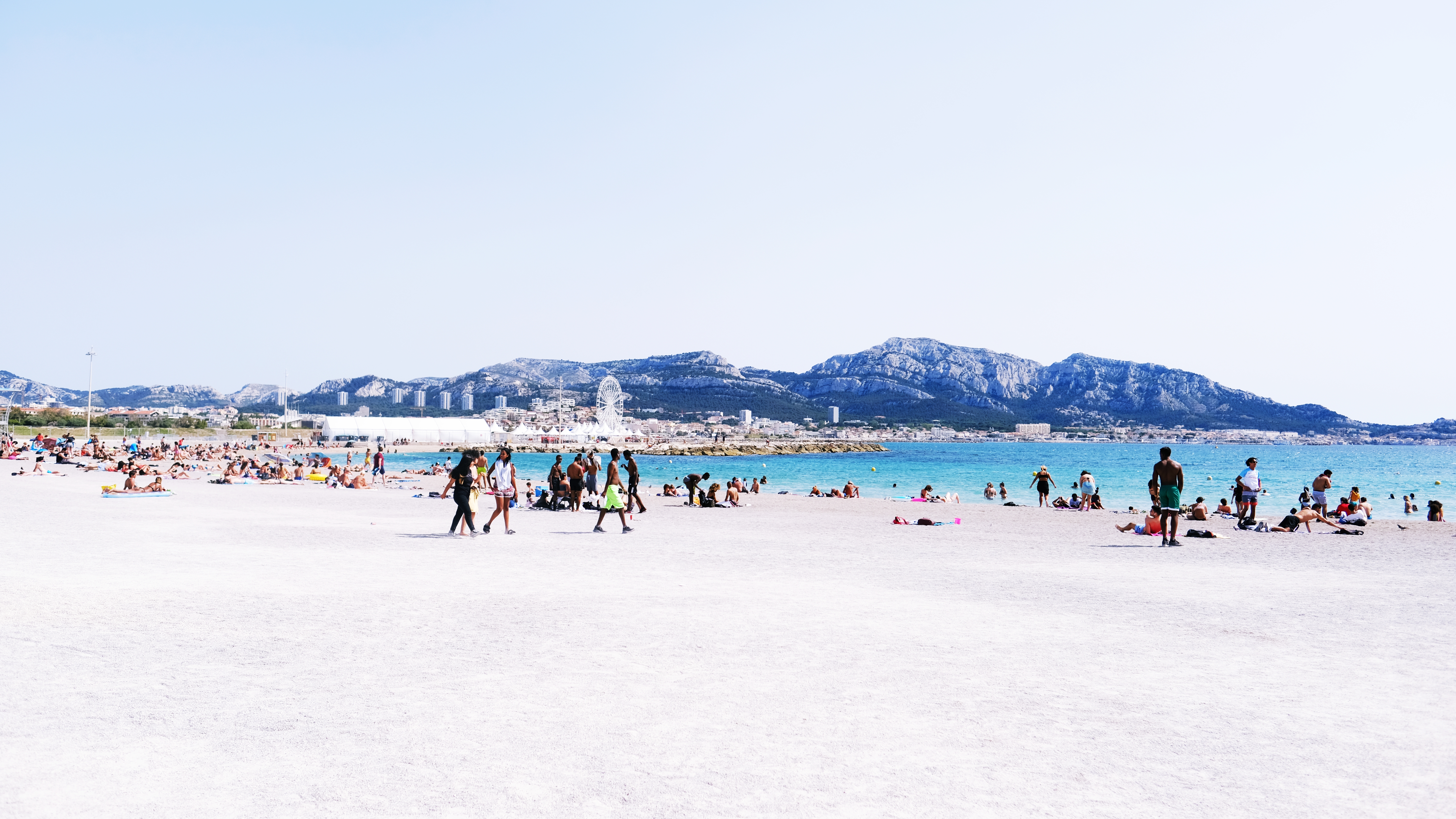
Marseille, one of the largest cities in France, is located in the Provence-Alpes-Côte d’Azur region. Located on the French Riviera, it is one of the major ports along the Mediterranean Sea and serves as France’s largest port for commerce and cruise ships.
Marseille’s diverse landscape helps divide the city’s neighborhood areas – from Vieux Port (Old Port) as the marina along the sea to La Panier (the oldest area in the city) to the hill where Basilique Notre-Dame de la Garde is located so that one can get view overlooking the city) to the La Joliette area that has become Marselle’s central business district through many modes of transportation, particularly renovated cruise ship docking ports.
Unite d’ Habitation
Architect: Le corbuisier
Location: 280 Boulevard Michelet, 13008 marseille
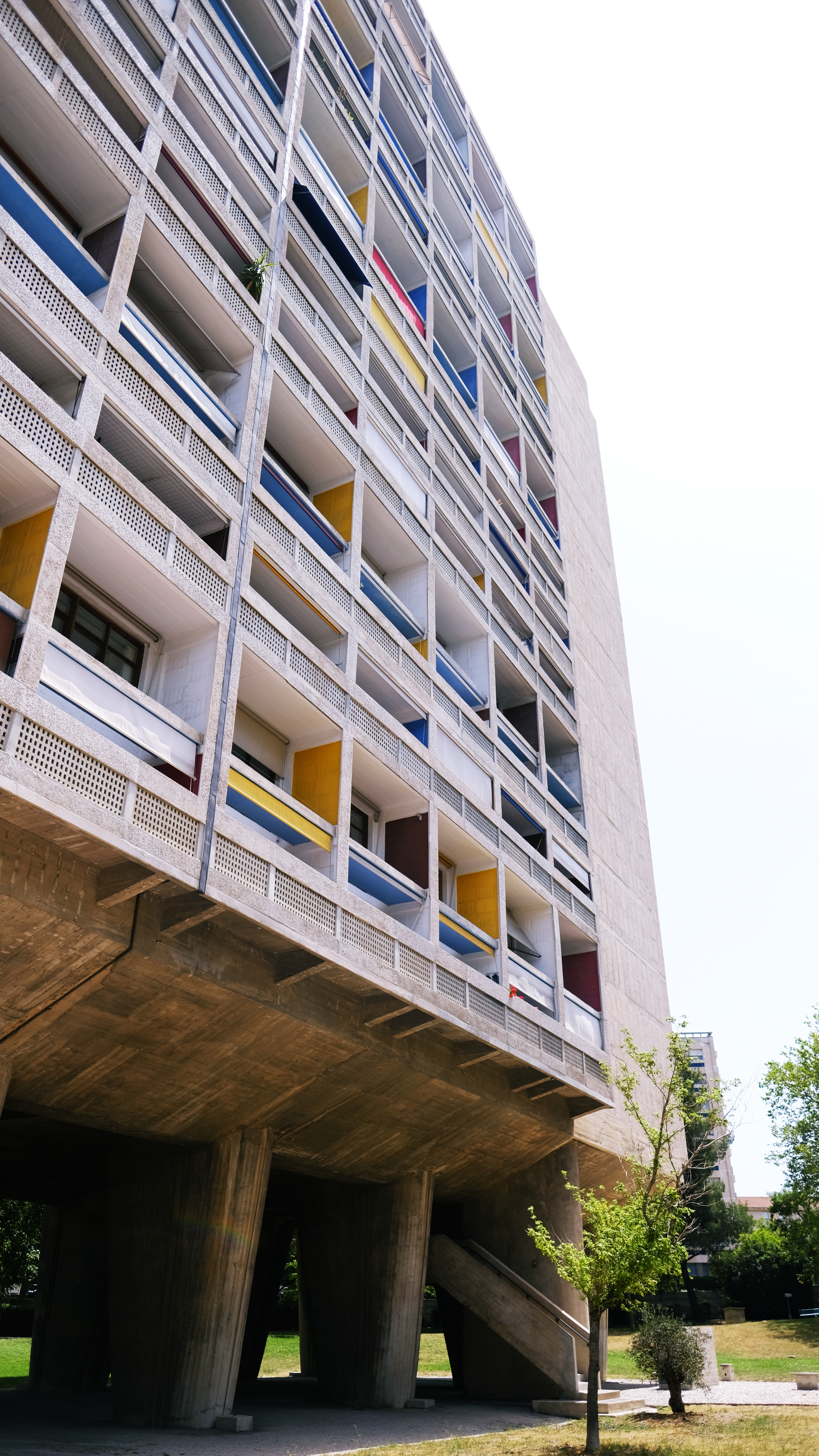
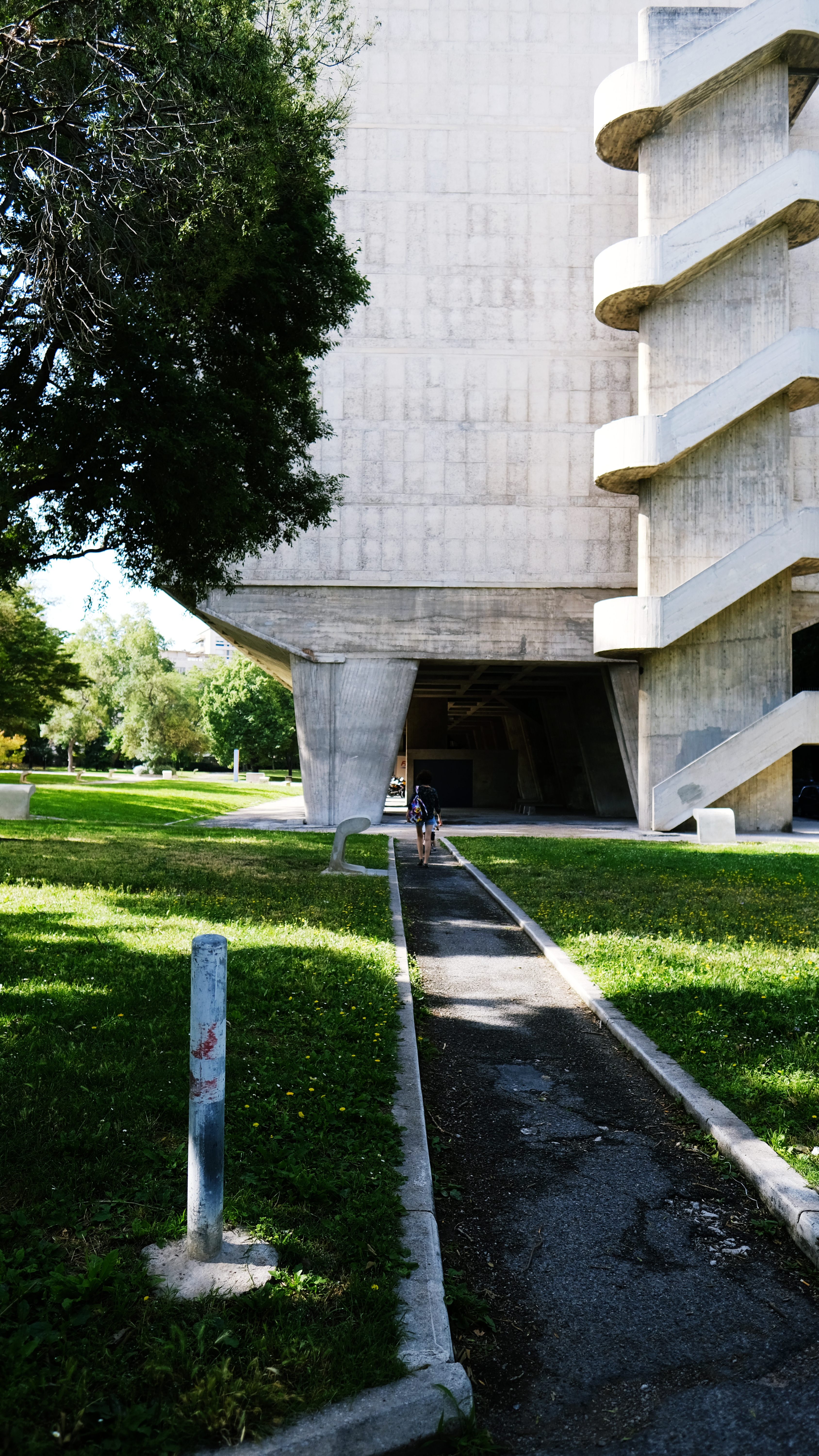
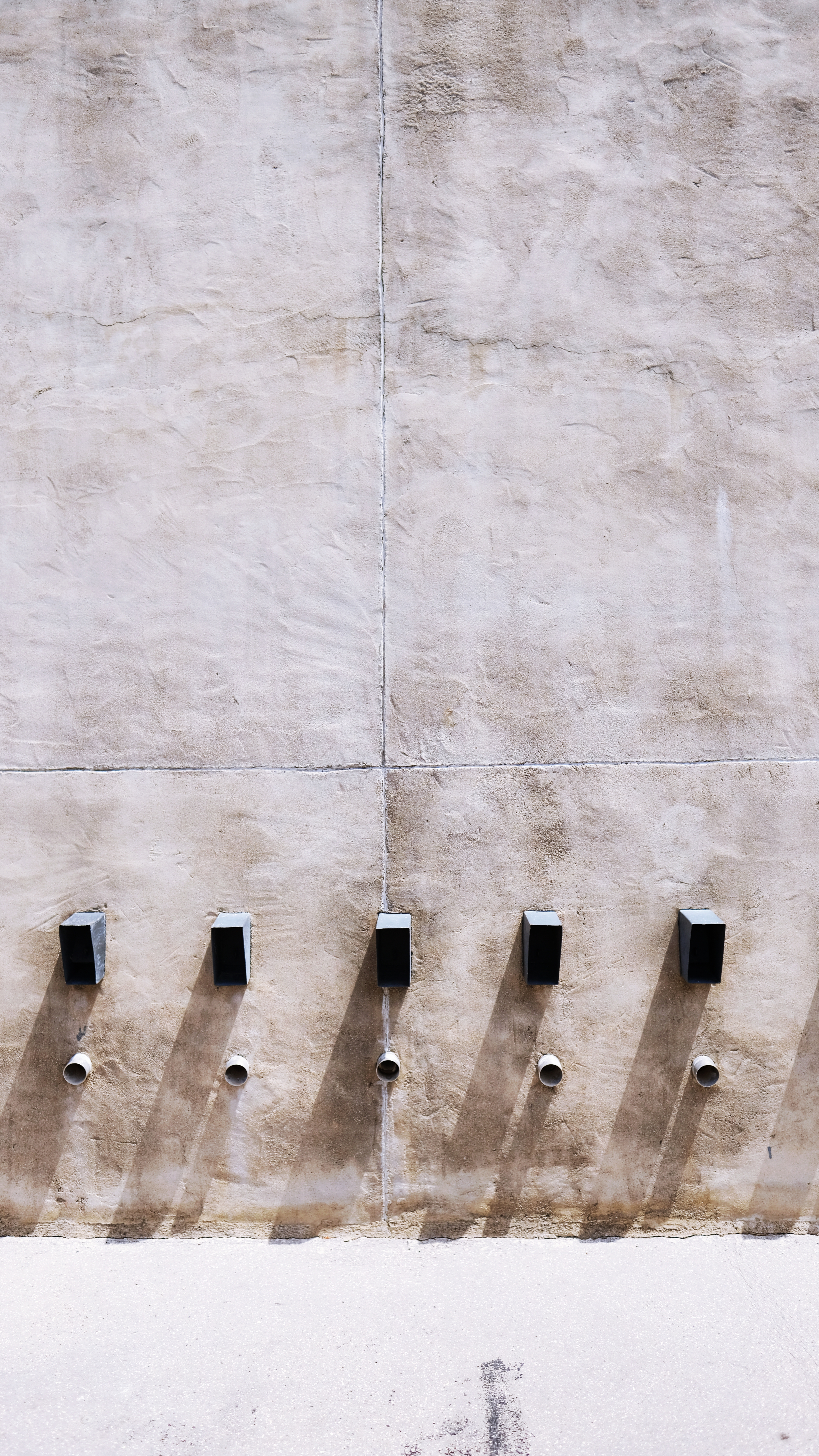
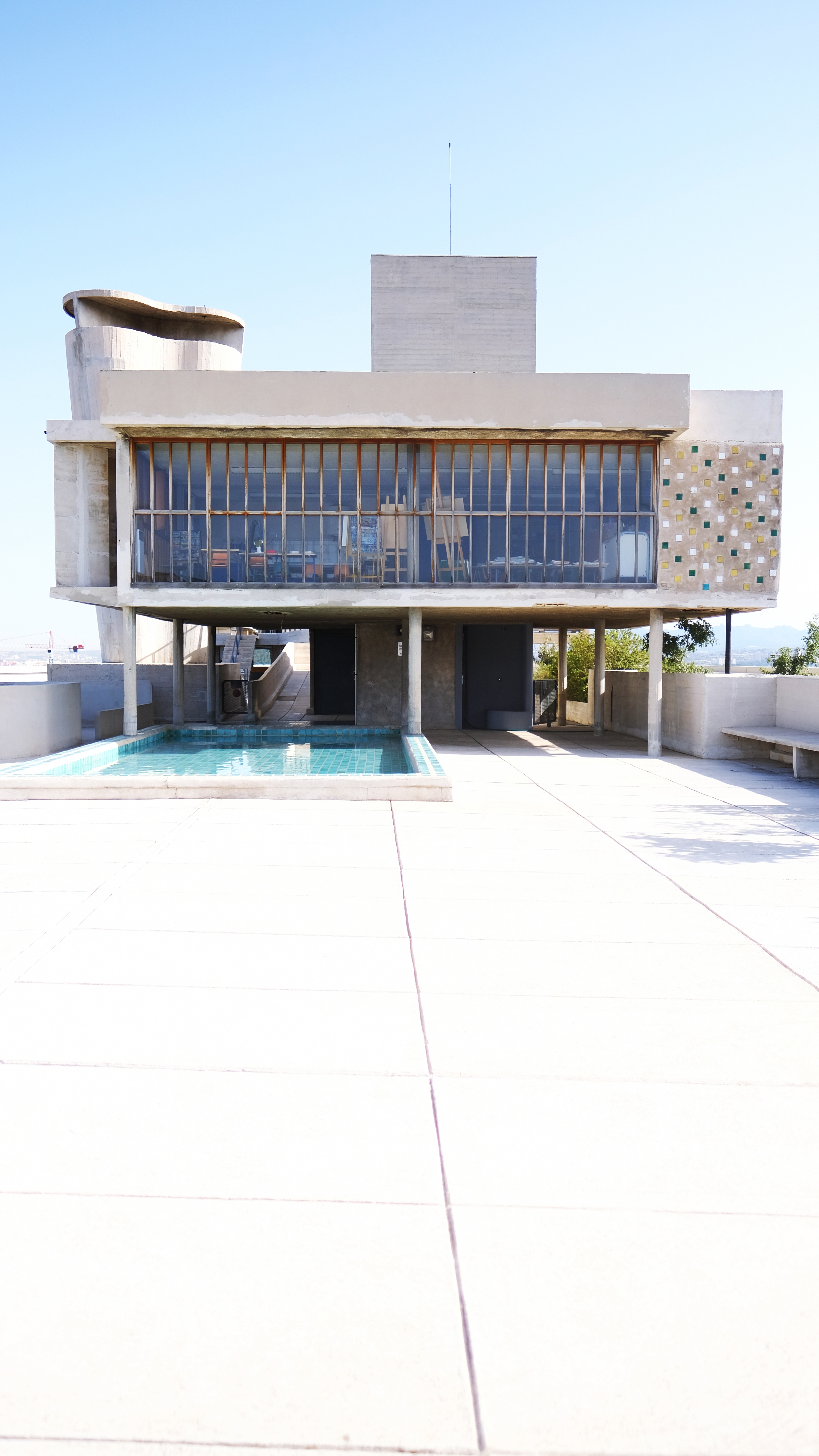
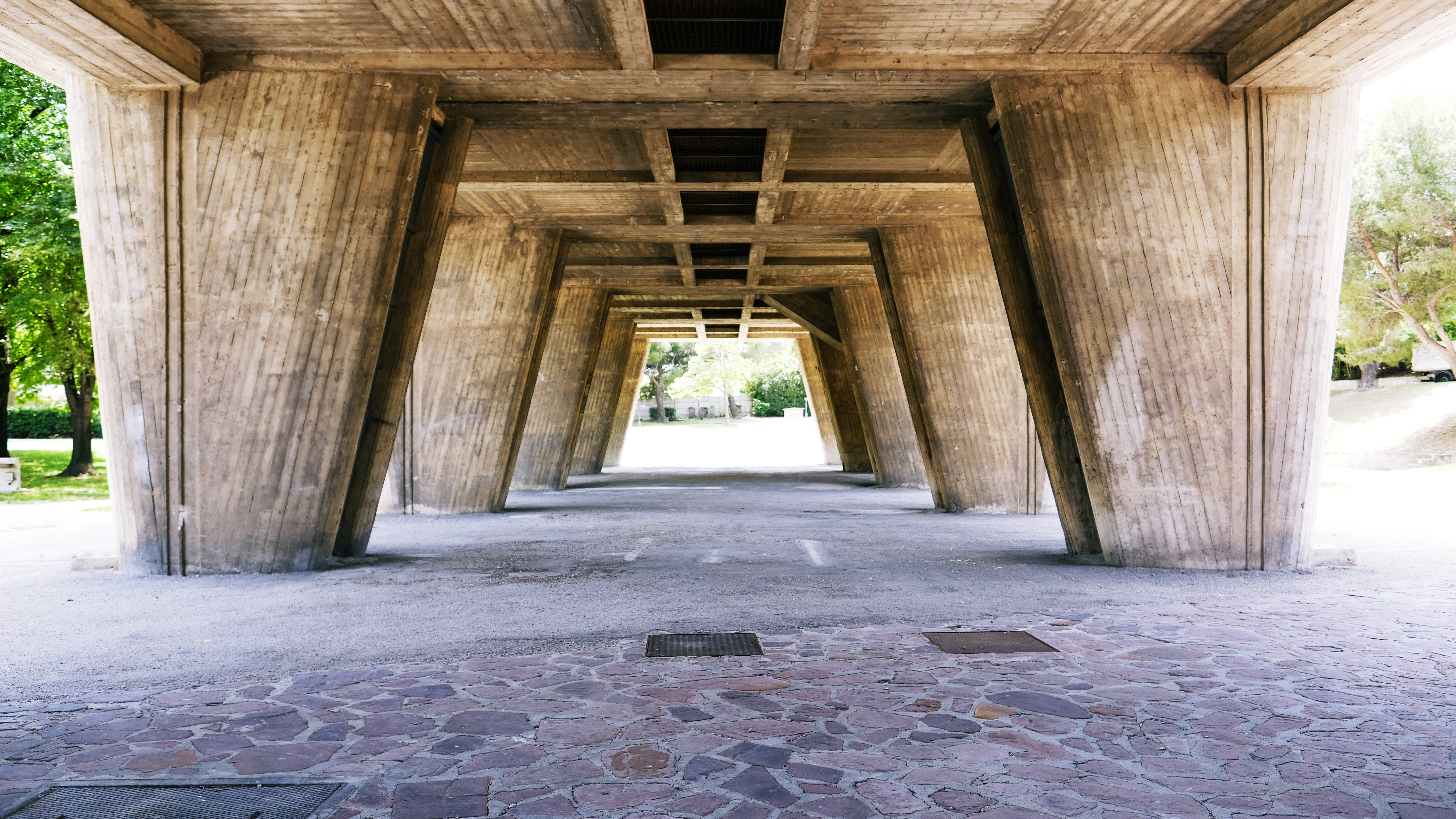
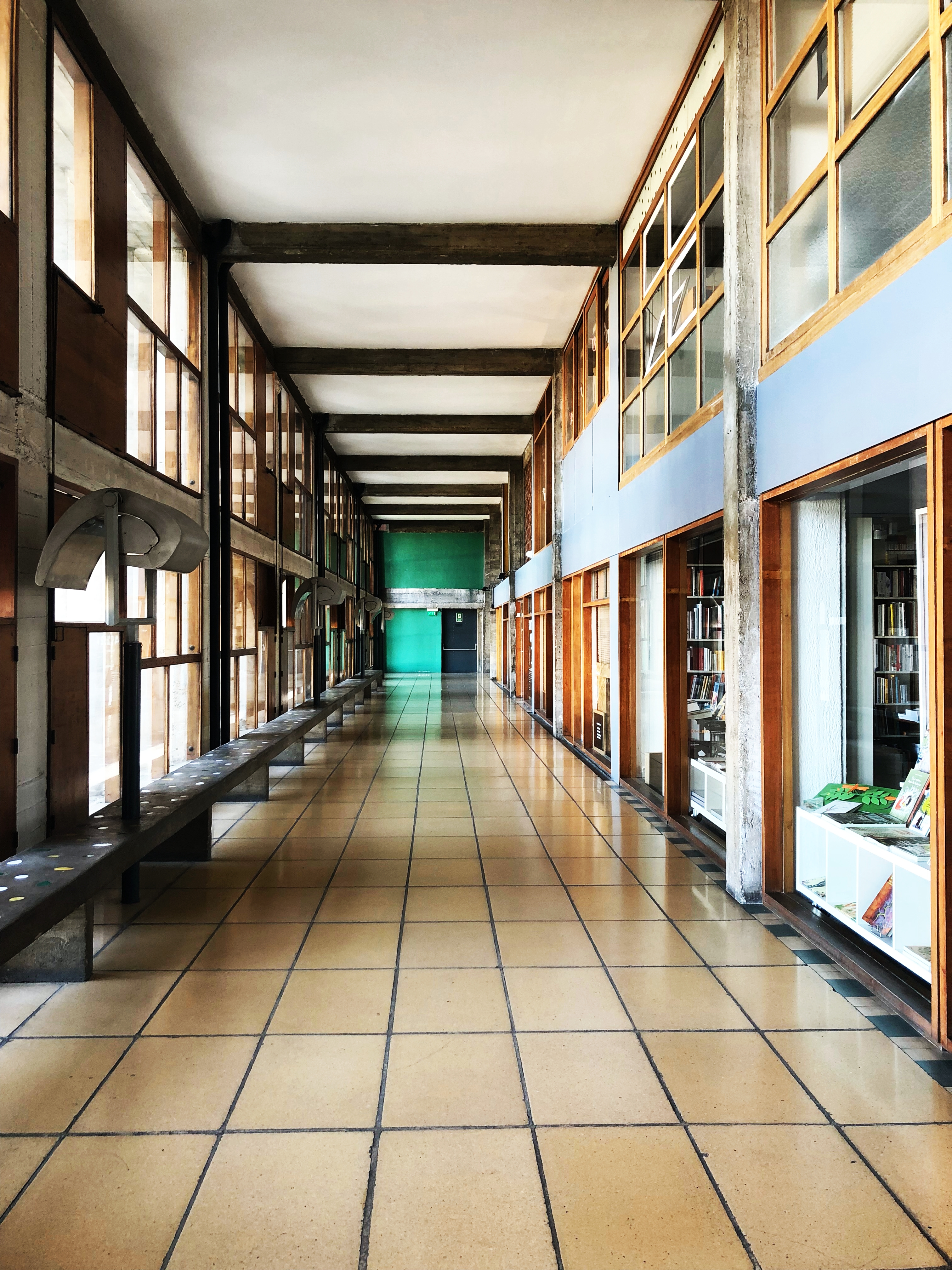
One of the main reasons for my visit to Marseille was to see Le Corbusier’s Unite d’habitation in real life. Being part of the International Congress of Modern Architecture, (CIAM). Le Corbusier was commissioned to design Unite d’habitation, also known as Cité Radieuse, to house many Marseille residents as an aftermath of WWII bombings in France. The concept was to create a vertical city where residents of the community can live, work, shop, play, and socialize in one building. It was built in reinforced beton-brut concrete and incorporated Corbusier’s famous five-points of architecture: 1) pilotis, 2) roof garden, 3) elevated ground plane, 4) horizontal windows, and 5) free facade. Due to its scale and design, the project has become one of Le Corbusier’s most inspiring projects, studied and analyzed by many architects and architecture students around the world. It also influenced the Brutalist movement. Today, there are many books, papers, diagrams, about the famous building that will continue to be a precedent for many mixed-use buildings with the “vertical city” concept.
L’Ombrière de Norman Foster
Architect: foster + partners
Location: Quai de Rive Neuve, 13001 marseille
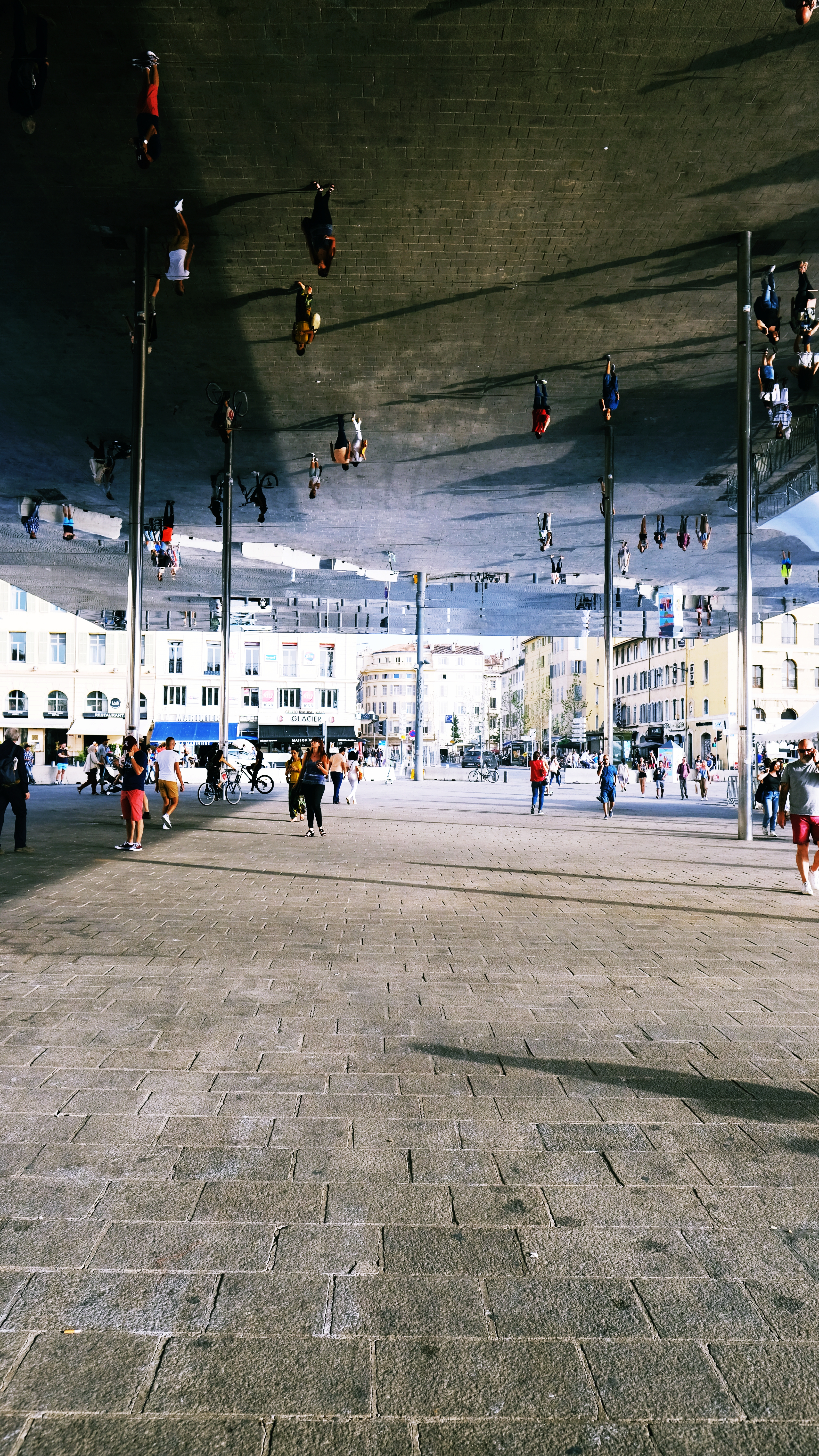
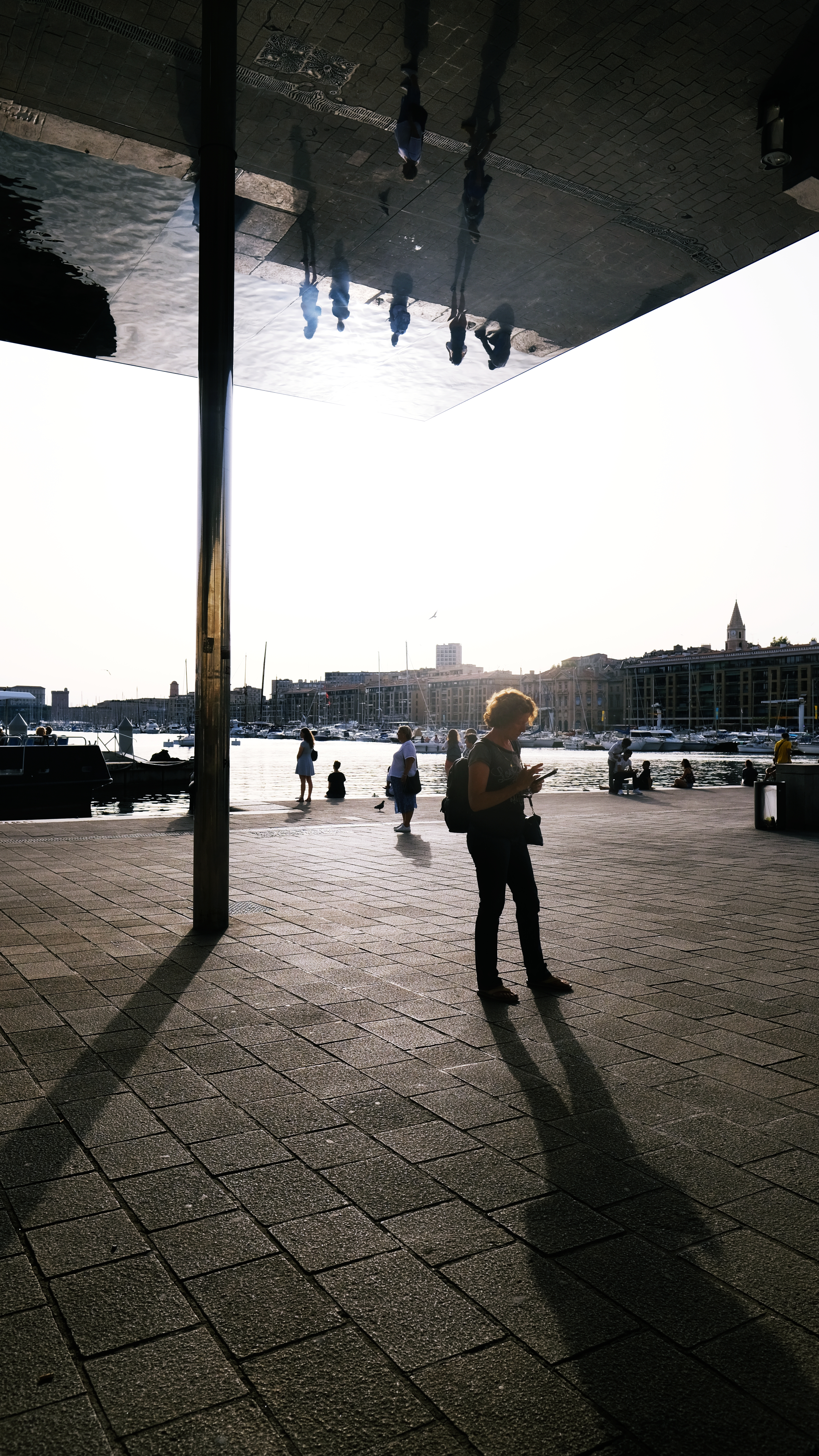
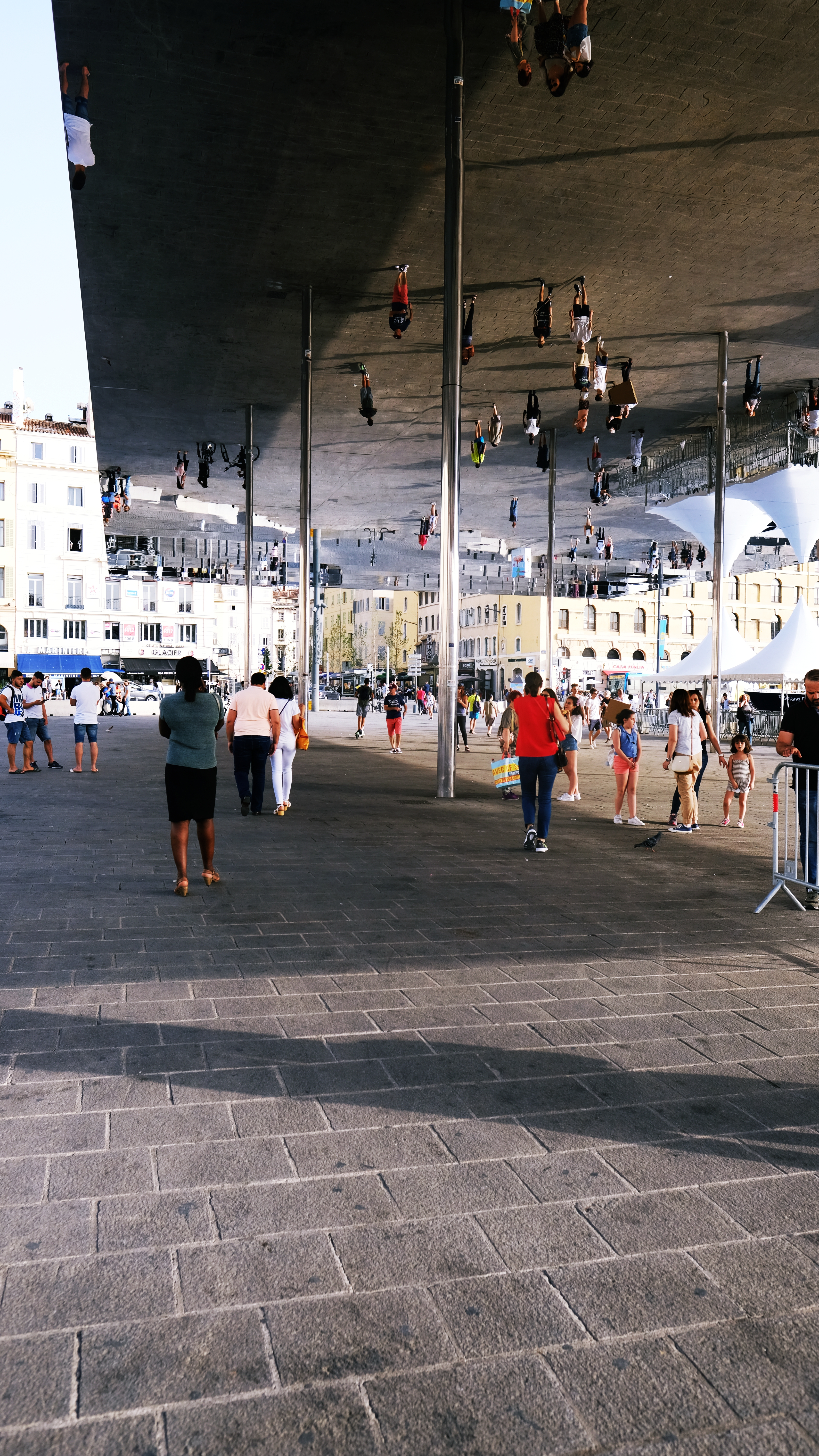
Norman Foster’s Vieux Port Pavilion is definitely one o f my favorite places in Marseille. The stainless steel canopy provides sleek shelter for those enjoying the views of the marina or waiting for their next boat ride. The easy accessibility and minimal landscape reactivates the port, from hosting events and markets to creating a safe environment for pedestrians.
Les Docks Village
Architect: atelier Alfonso Femia
Location: 10 Place de la Joliette, 13002 marseille
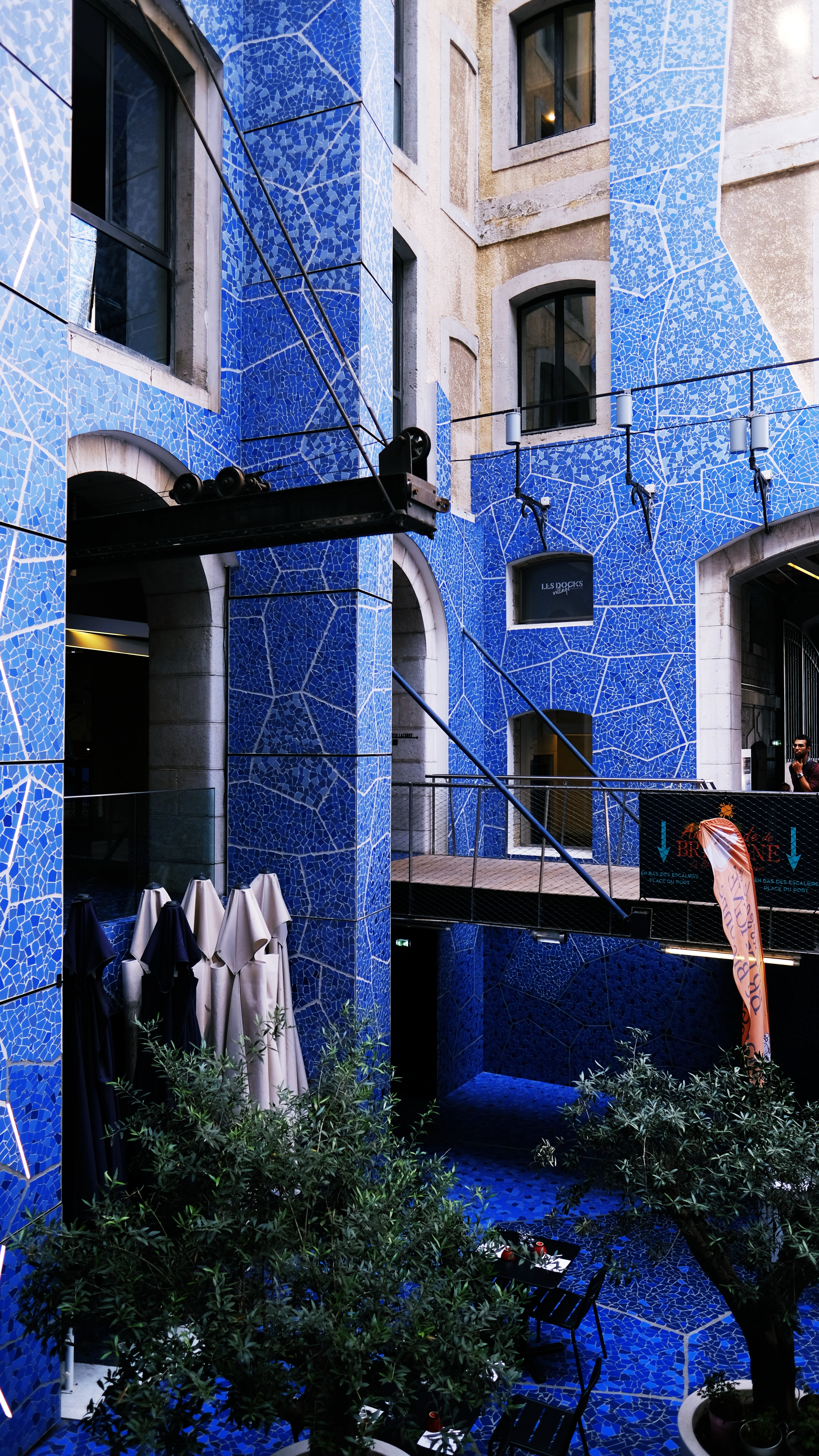
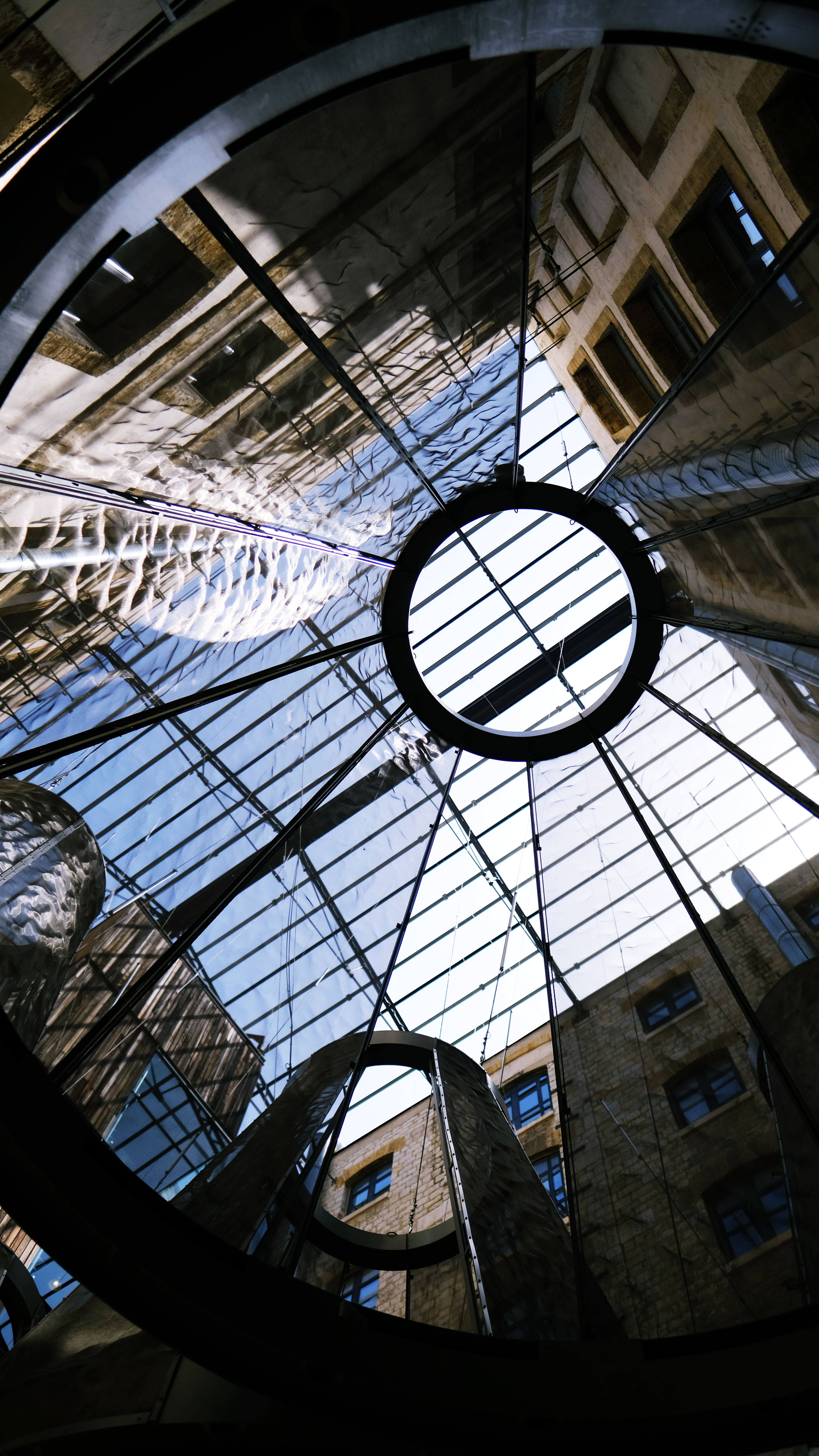
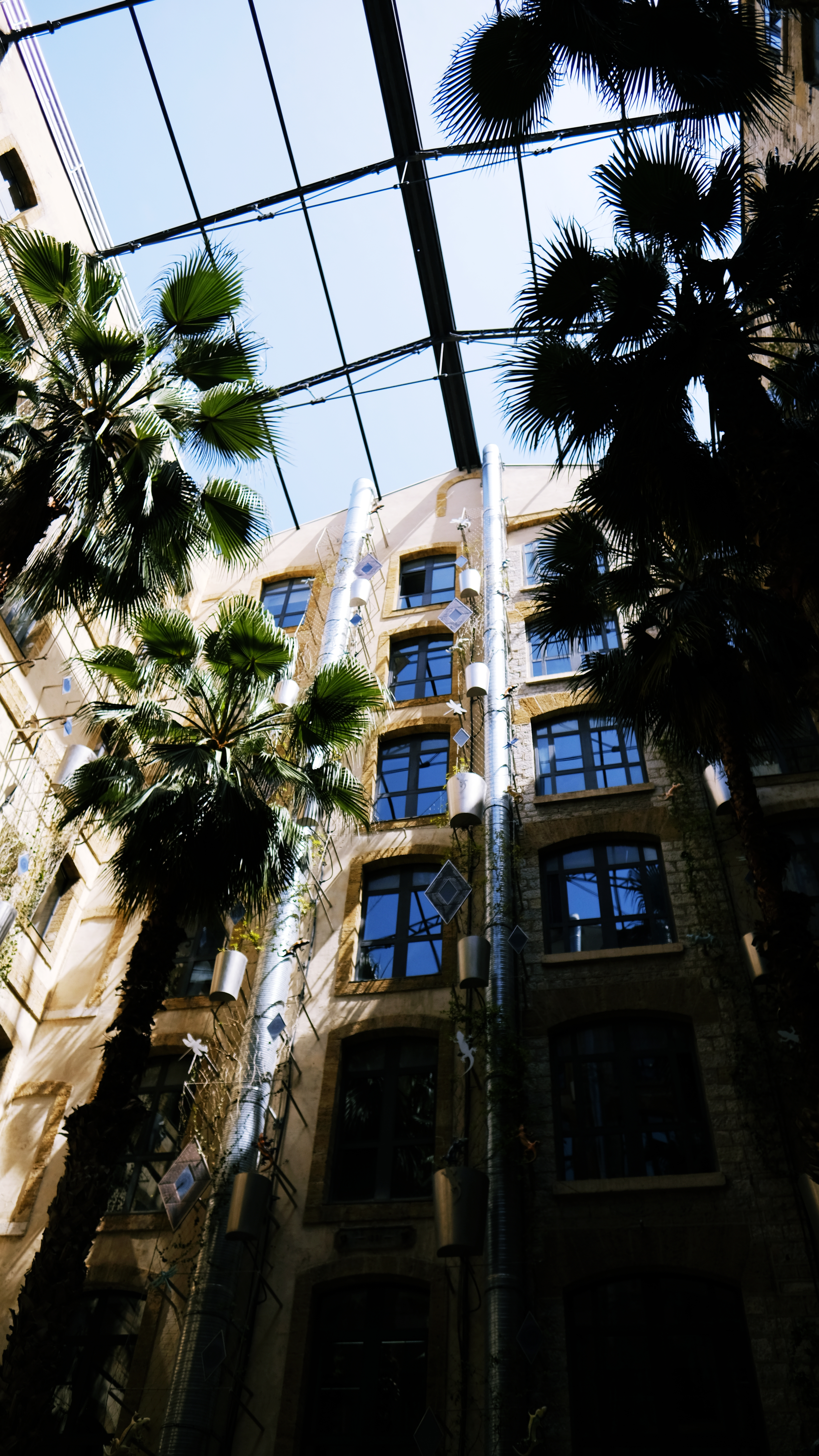
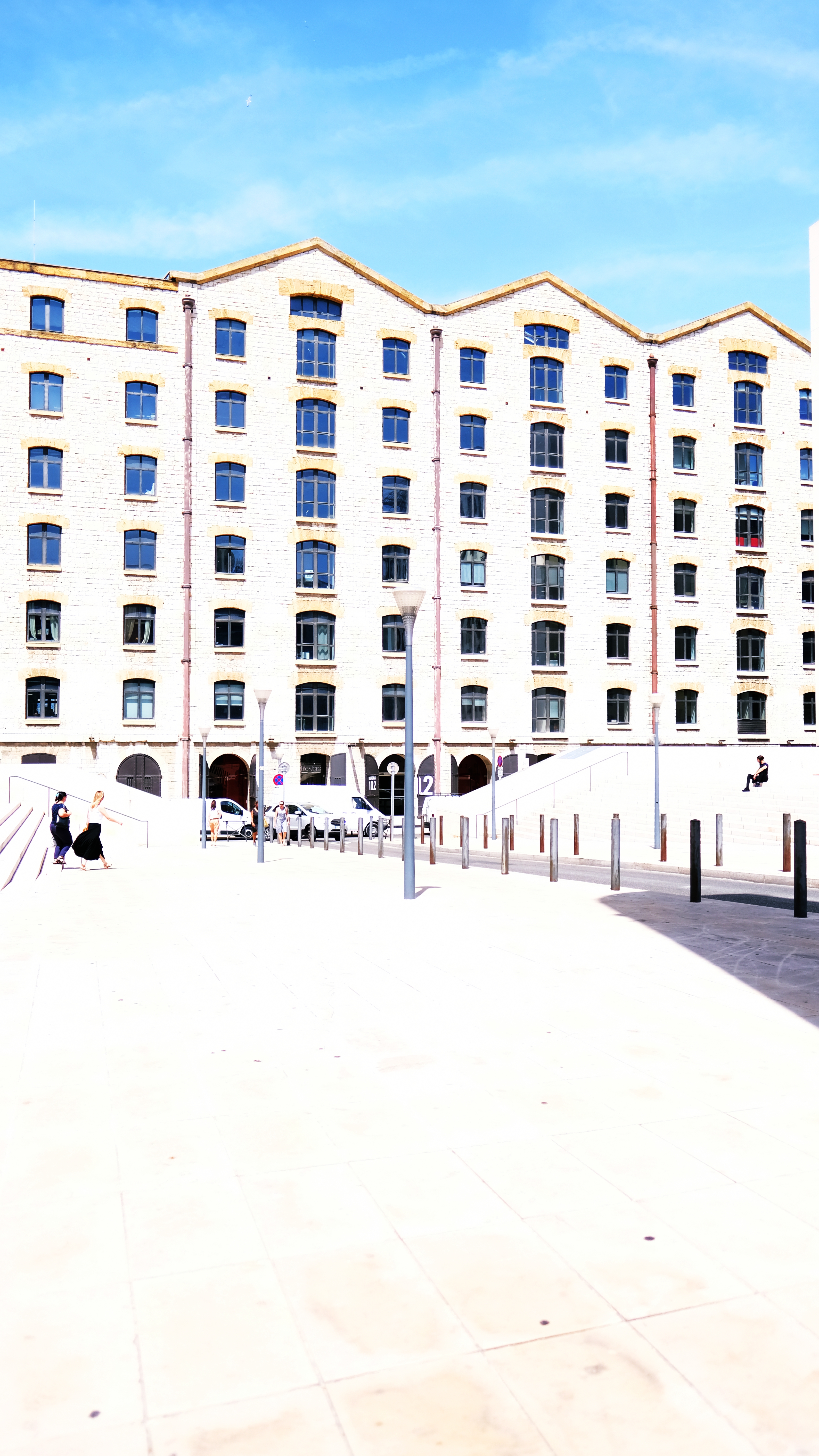
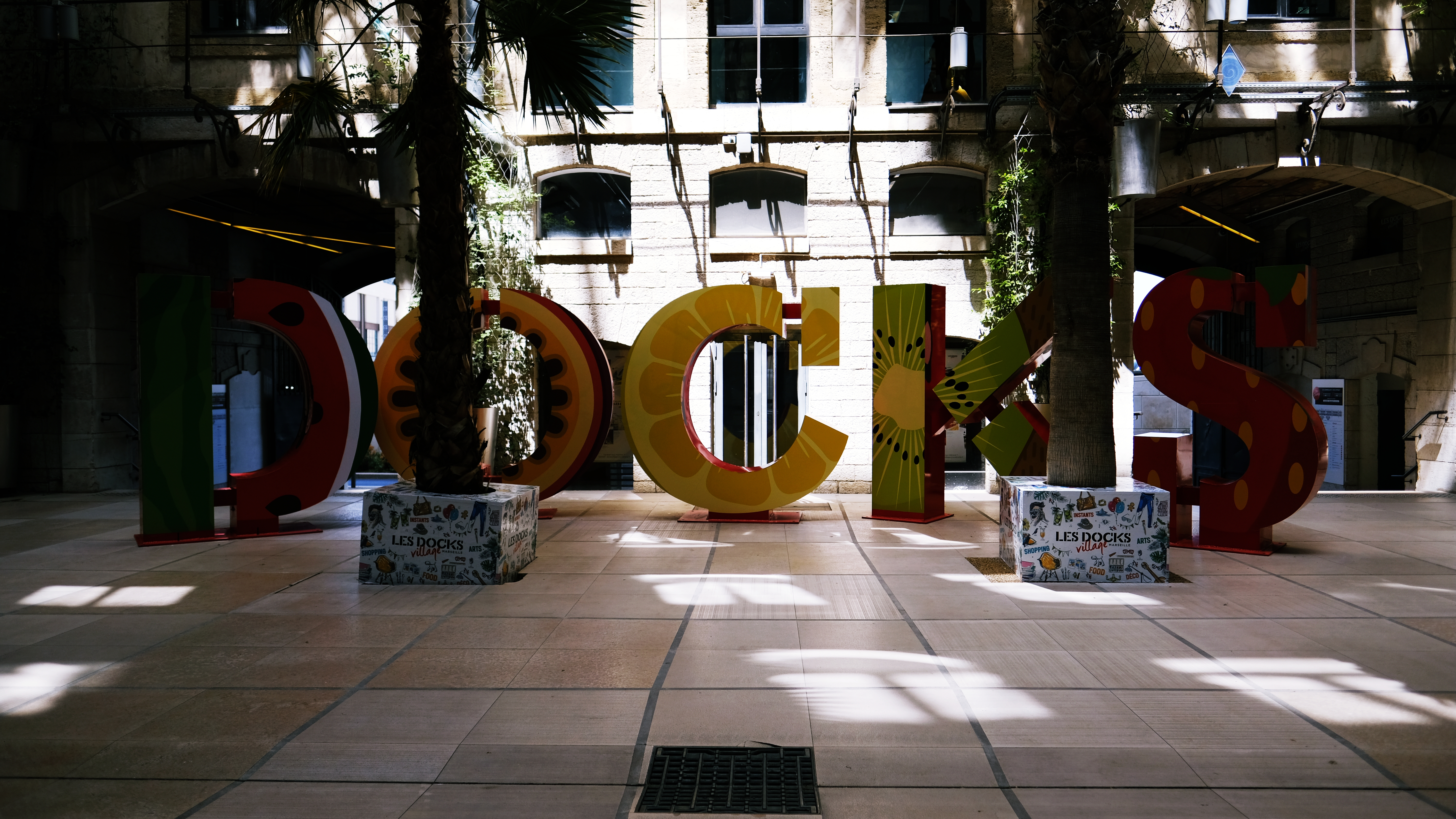
Les Docks Village is located in 4 interlinked warehouse buildings that dated back to the late 1800s, when Marseille’s economy started booming. With the arrival of steamboats, Marseille extended their ports to La Joliette area through new urban structures – new port facilities and roads. Today, the warehouses have been repurposed to house boutique shops, restaurants, coffee shops, offices, and art galleries.
Villa Méditerranée
Architect: Boeri studio
Location: Prom. Robert Laffont, 13002 marseille
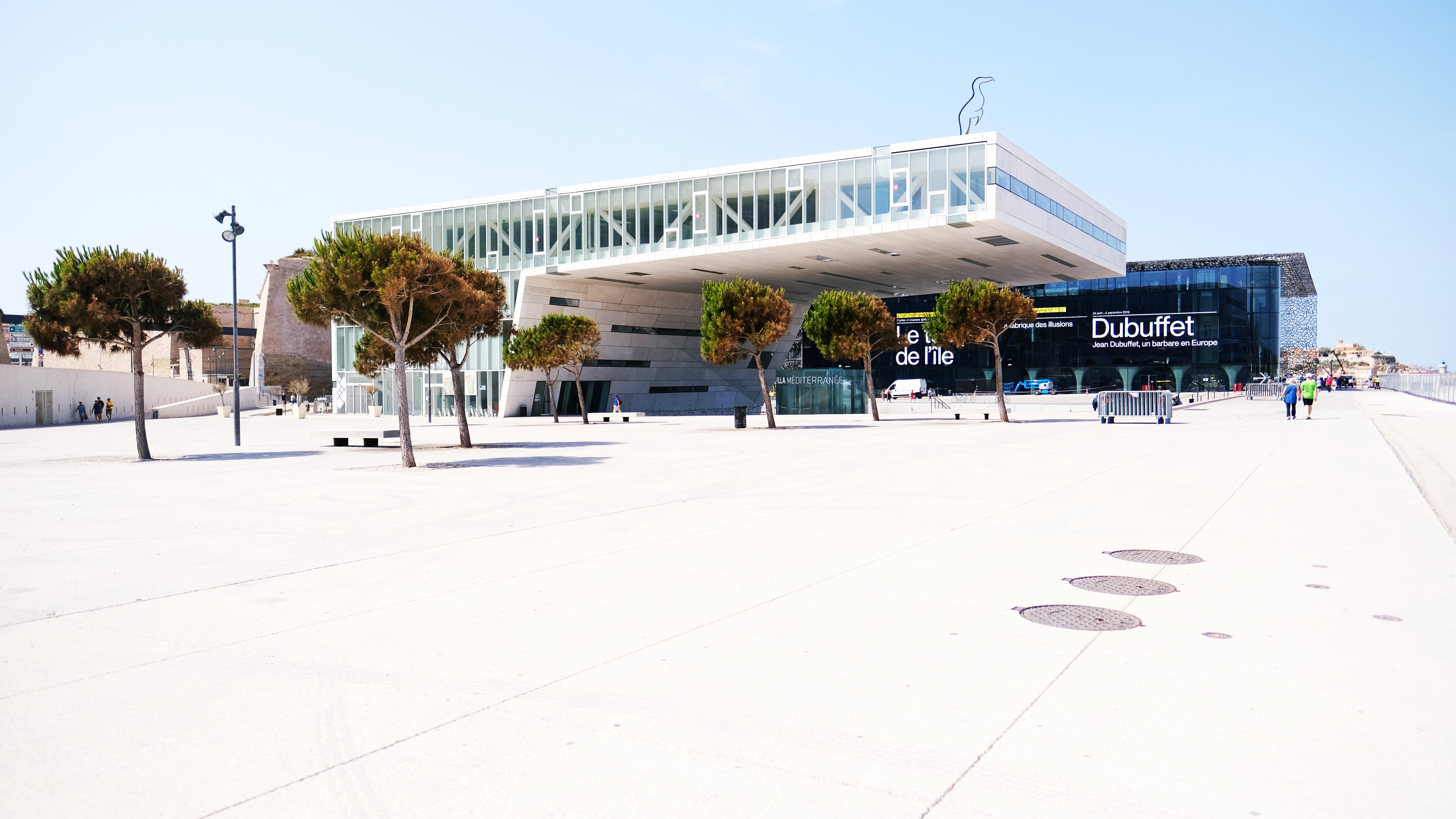
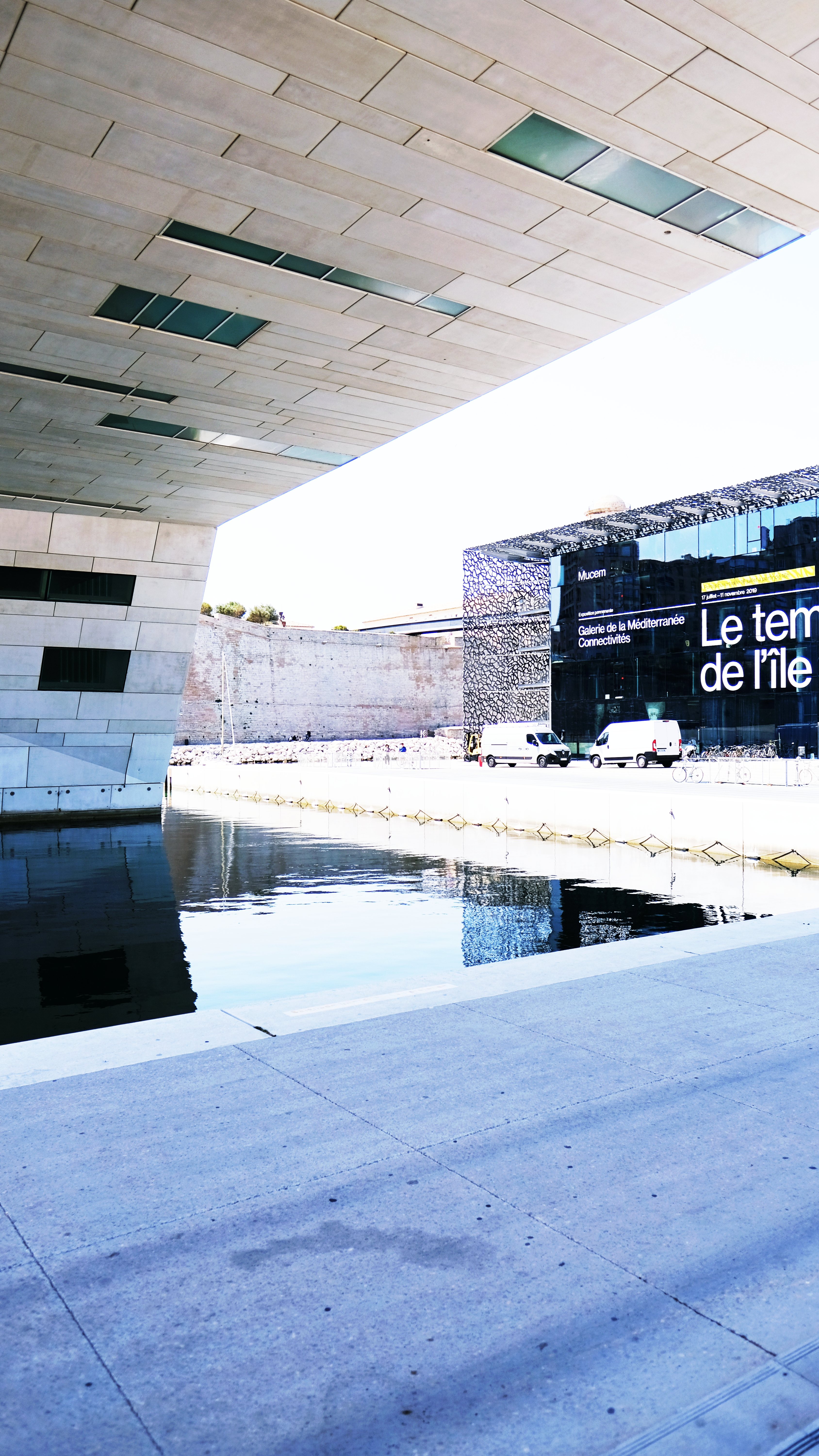
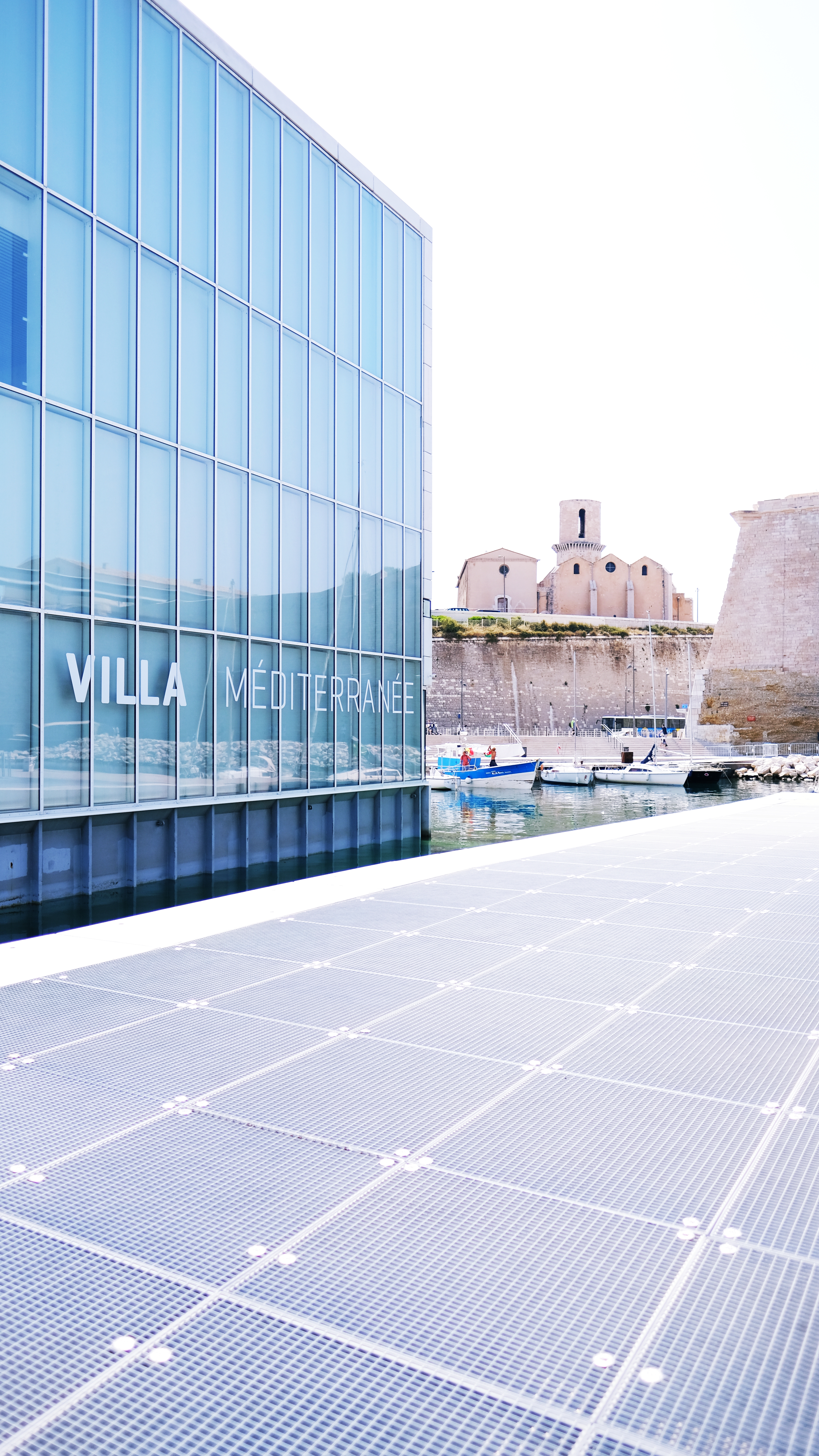
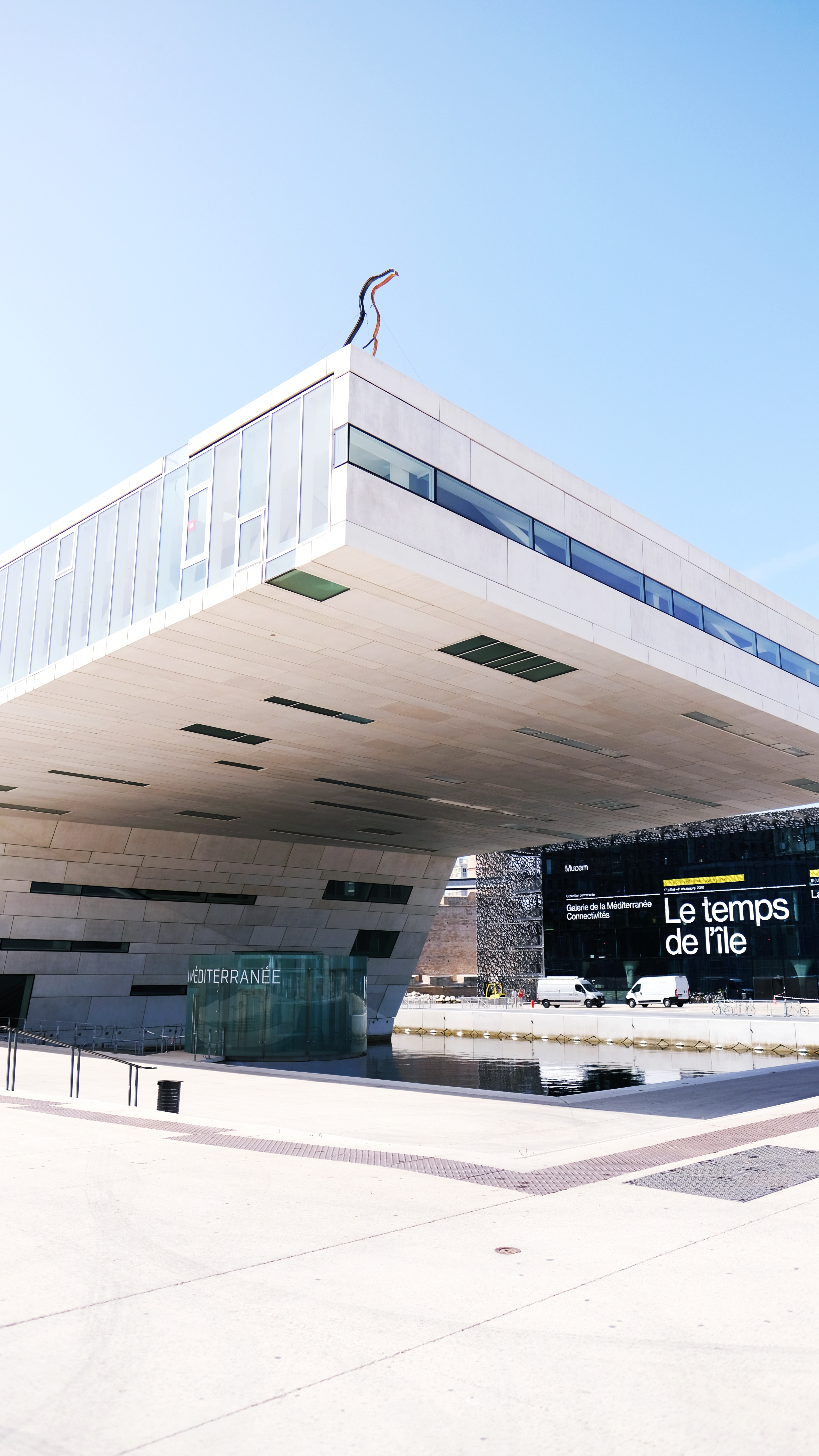
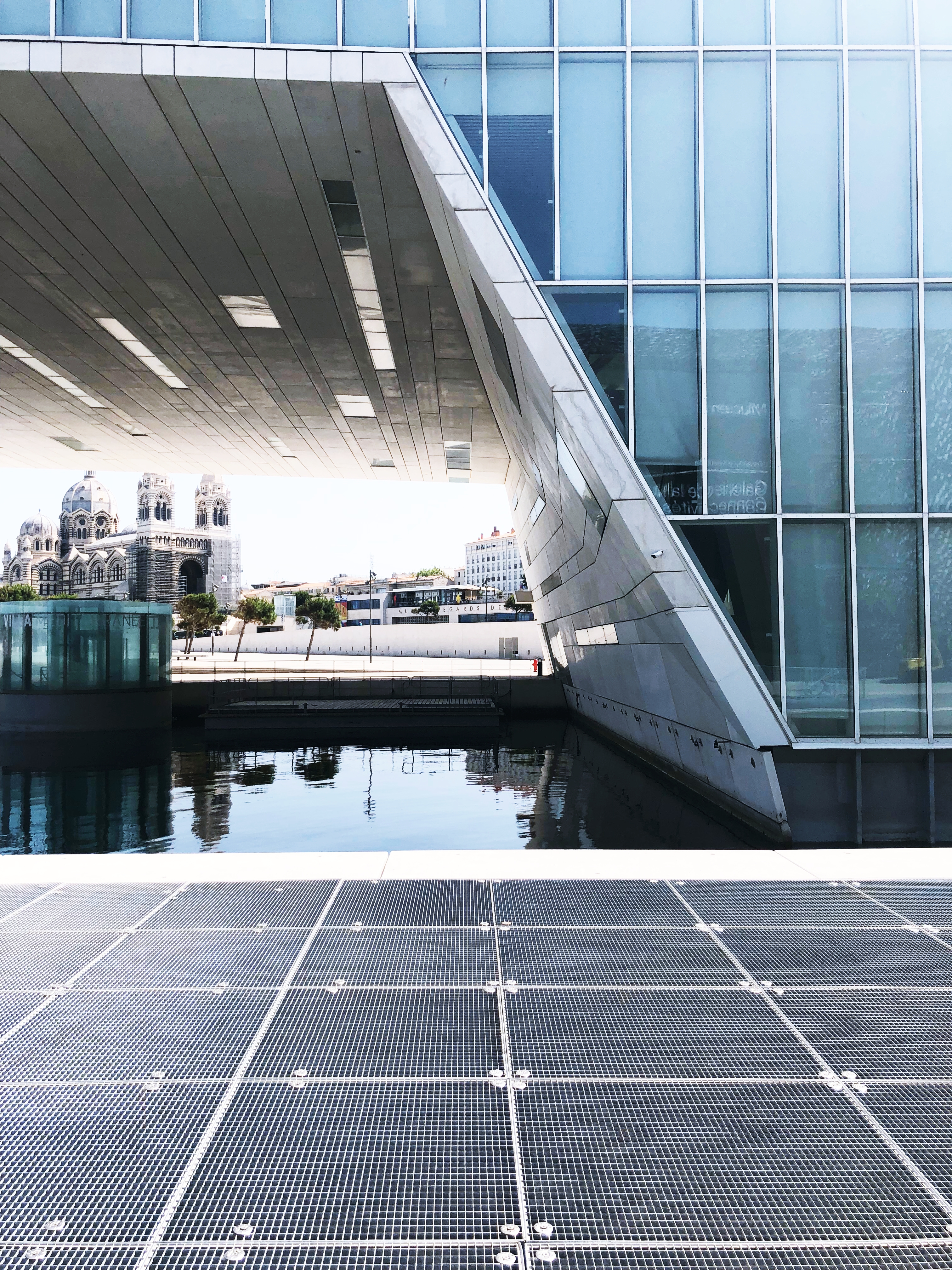
Villa Méditerranée is an archive and research centre with a cantilevered exhibition hall and underwater conference suit. The building on the coast near the port represents the deep connection with the sea. Stefano Boeri describes the building as “a place of thought and research physically embraces the sea”. As someone who has always been intrigued with waterfront architecture, I was inspired by how the sea is the central element of the building. It is a representation of how important ports are to a city’s economy, through trade and communication.
MuCEM
Mucée des Civilisations de l’Europe et de la Méditerranée
Architect: Rudy Ricciotti
Location: 1 Espl. J4, 13002 Marseille
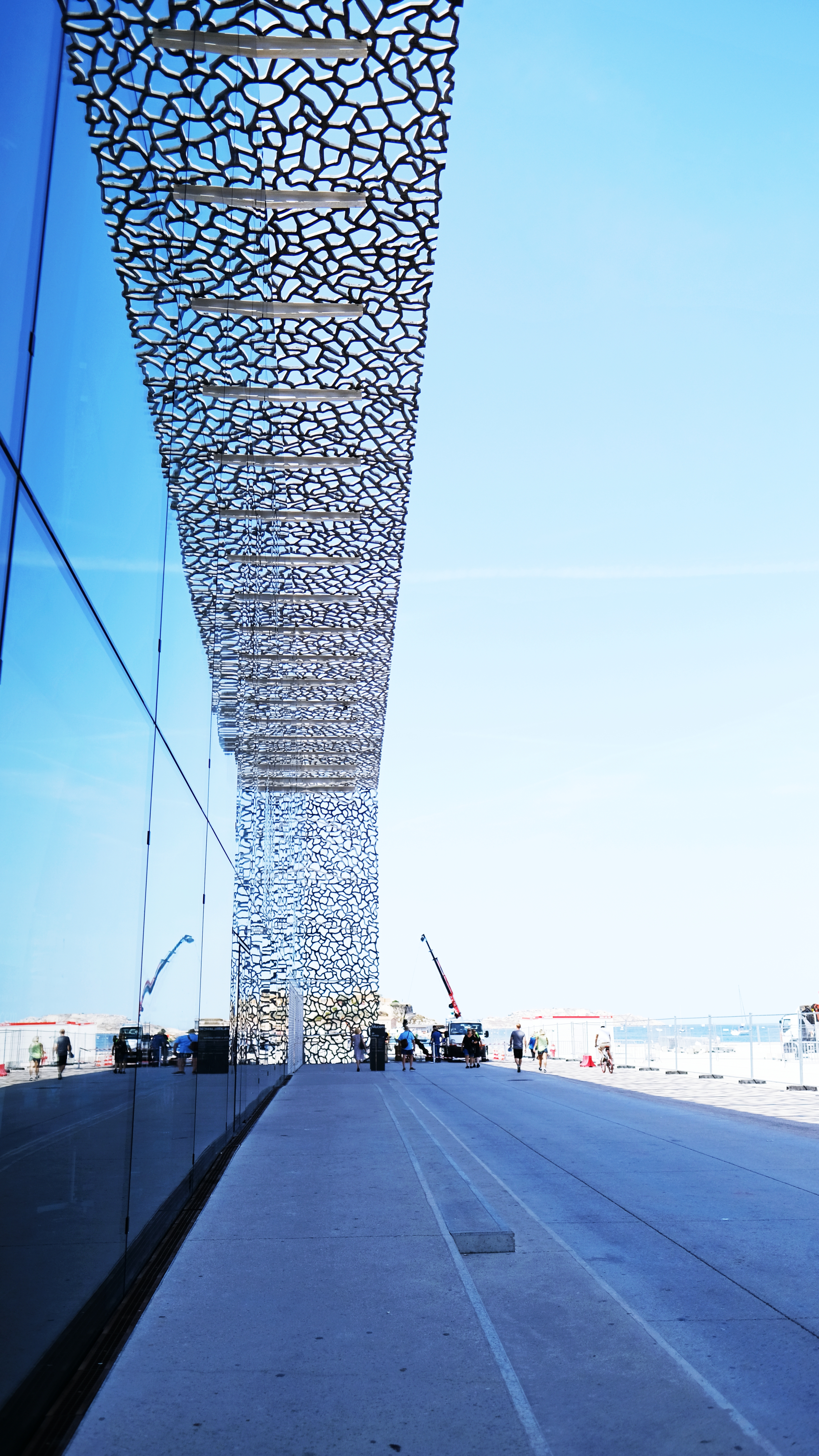
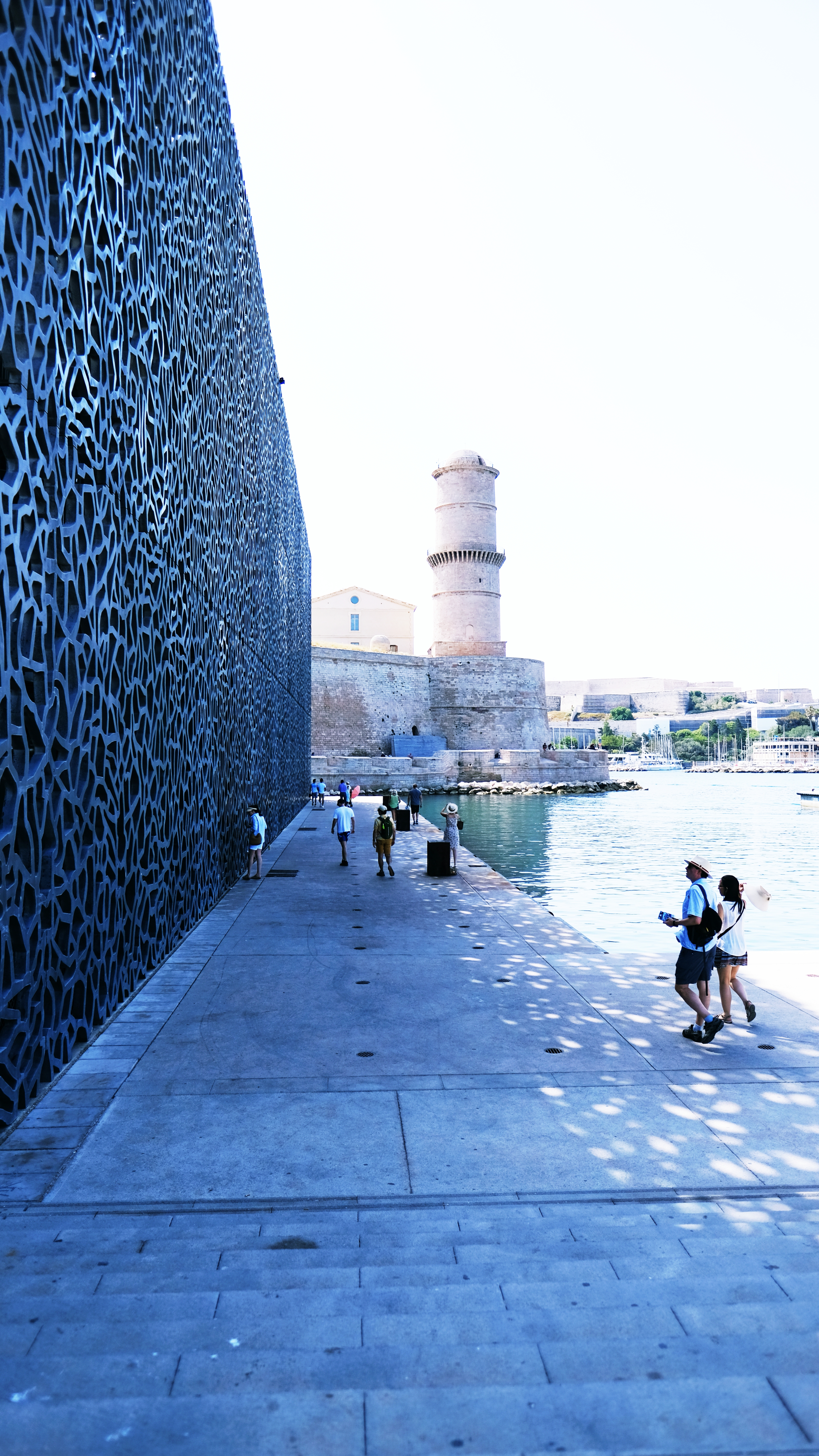
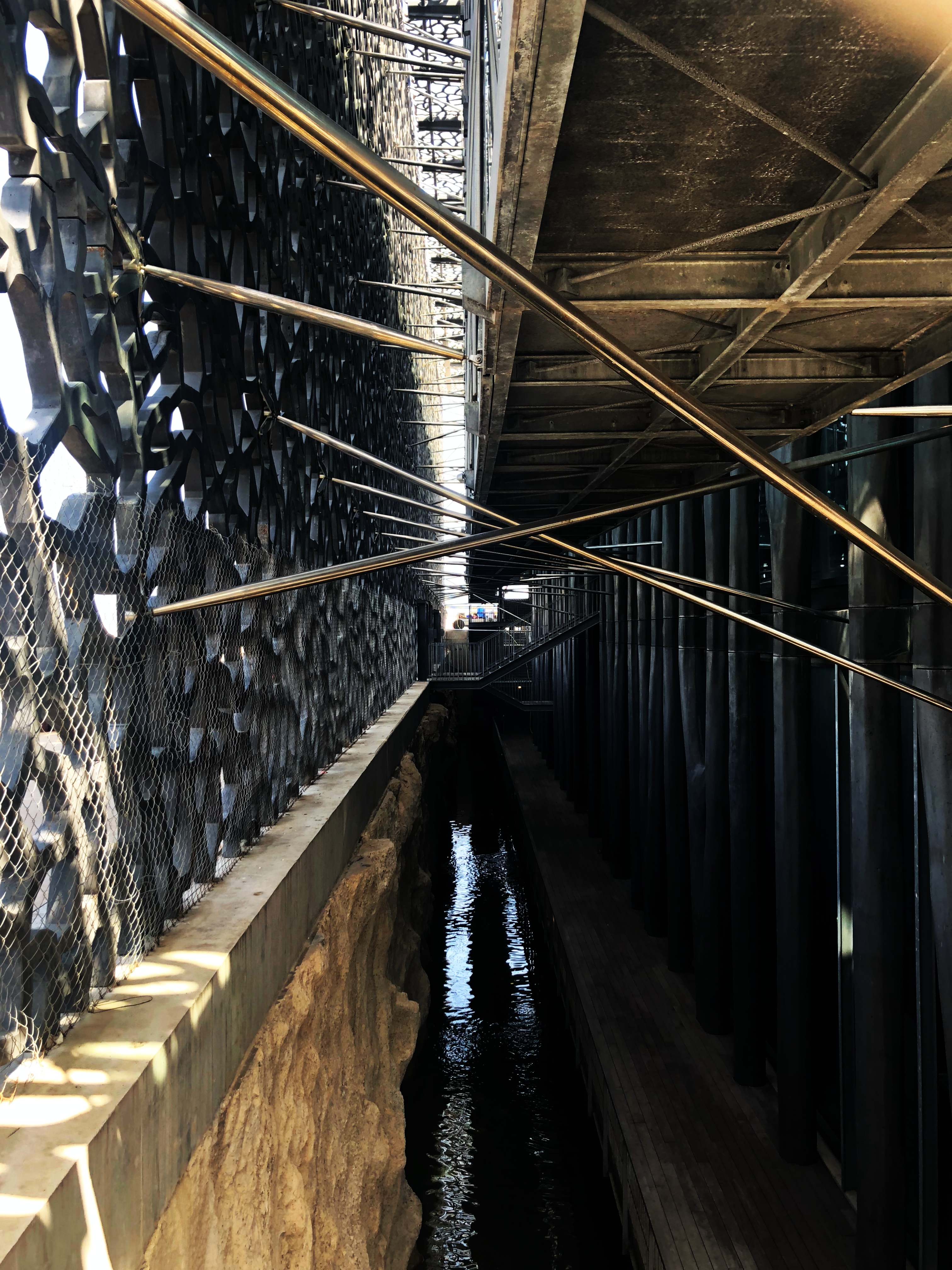
The Museum of European and Mediterranean Civilizations consists of ornamental concrete shrouding the glazing of the building, moderating light into the exhibition floors. There is a bridge that links the museum to Fort Saint Jean, an extension of the museum. Rudy Ricciotti describes that “the building draws a horizon where the two shores of the Mediterranean meets”. Unfortunately, when I went, the museum was closed but I admired how the sunlight hits the ornamental lacy concrete, generating interesting shadows.
FRANC Marseille
Architect: Kengo kuma and associates
Location: 20 Boulevard de Dunkerque, 13002 Marseille
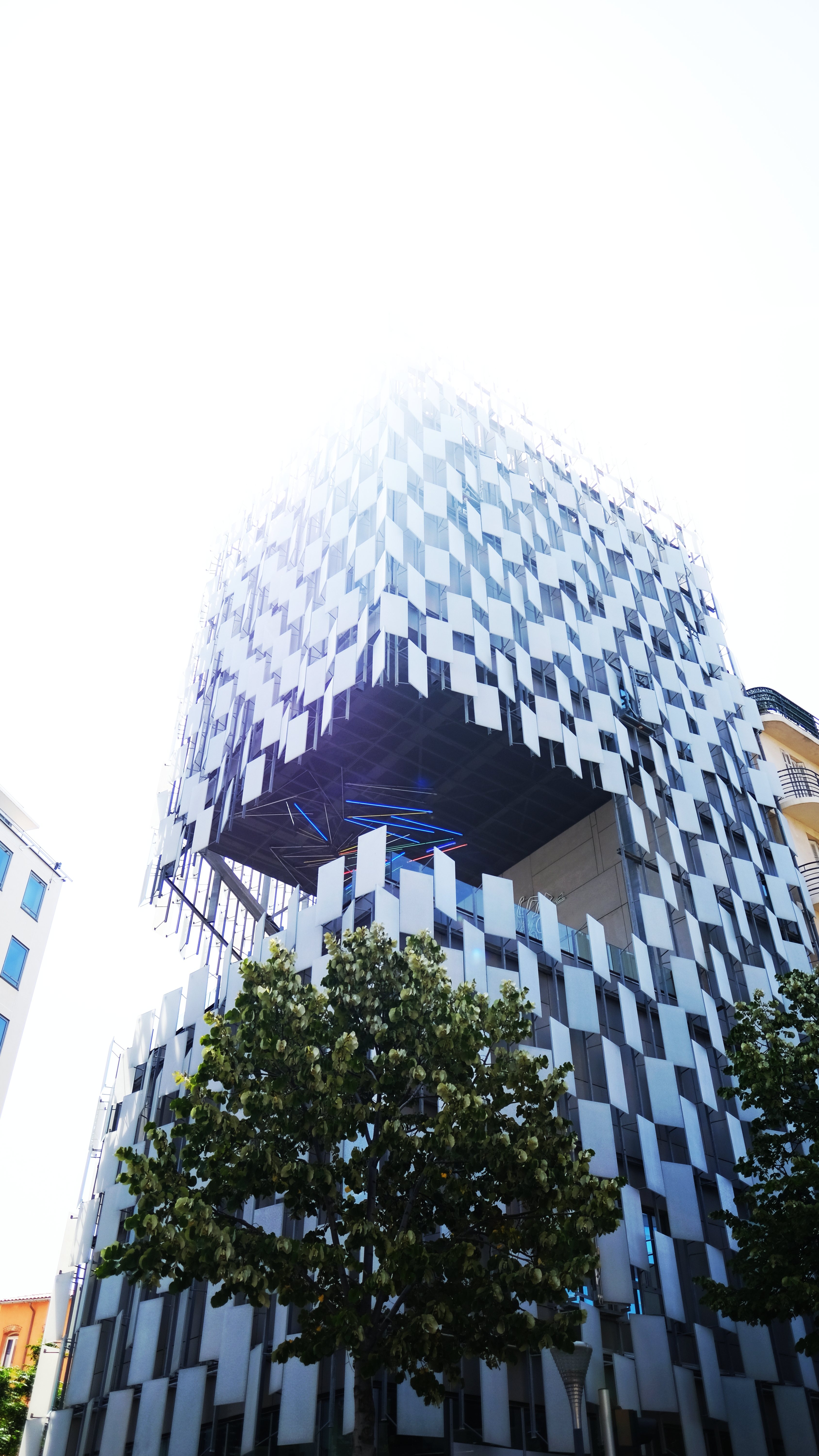
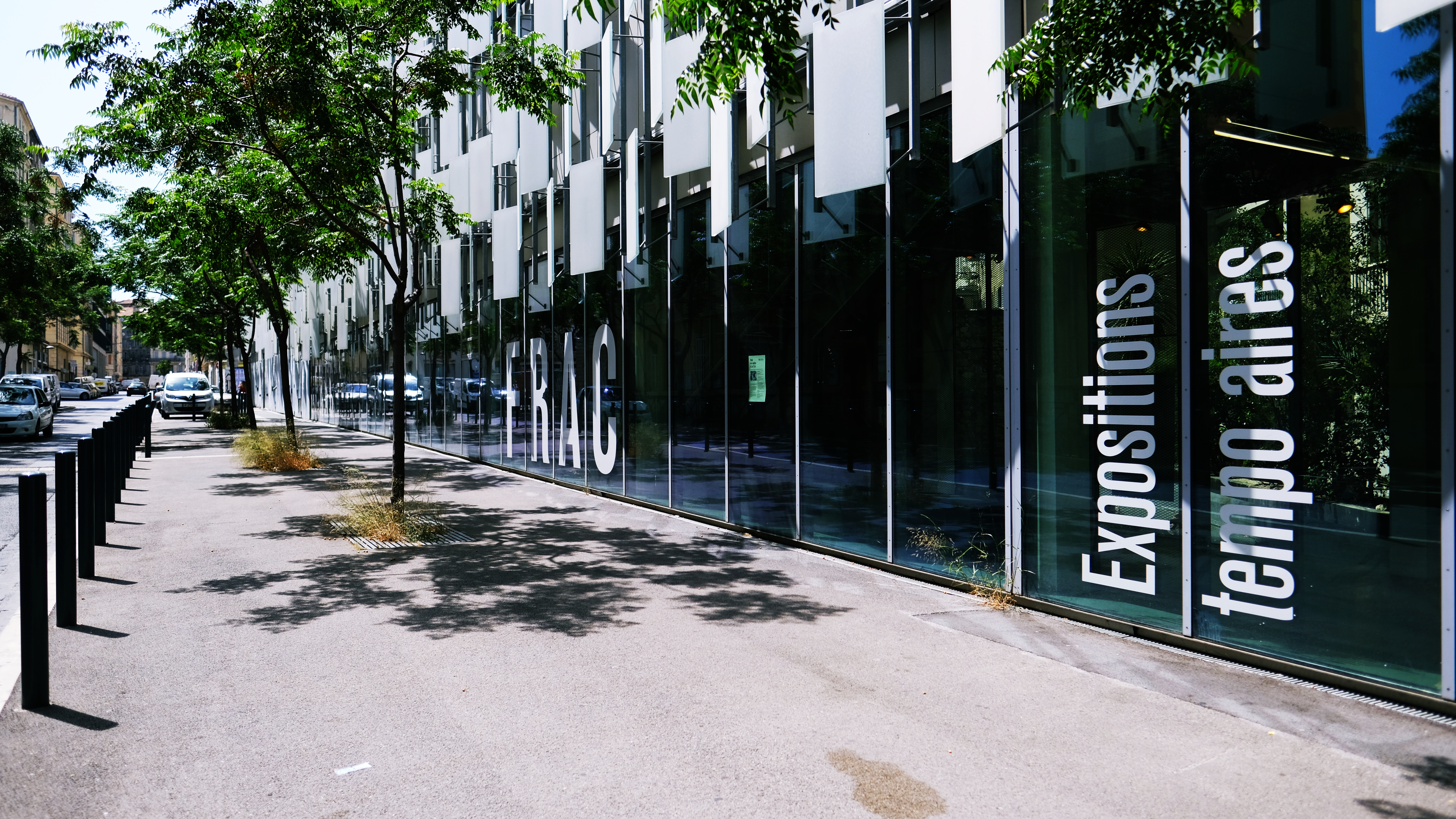
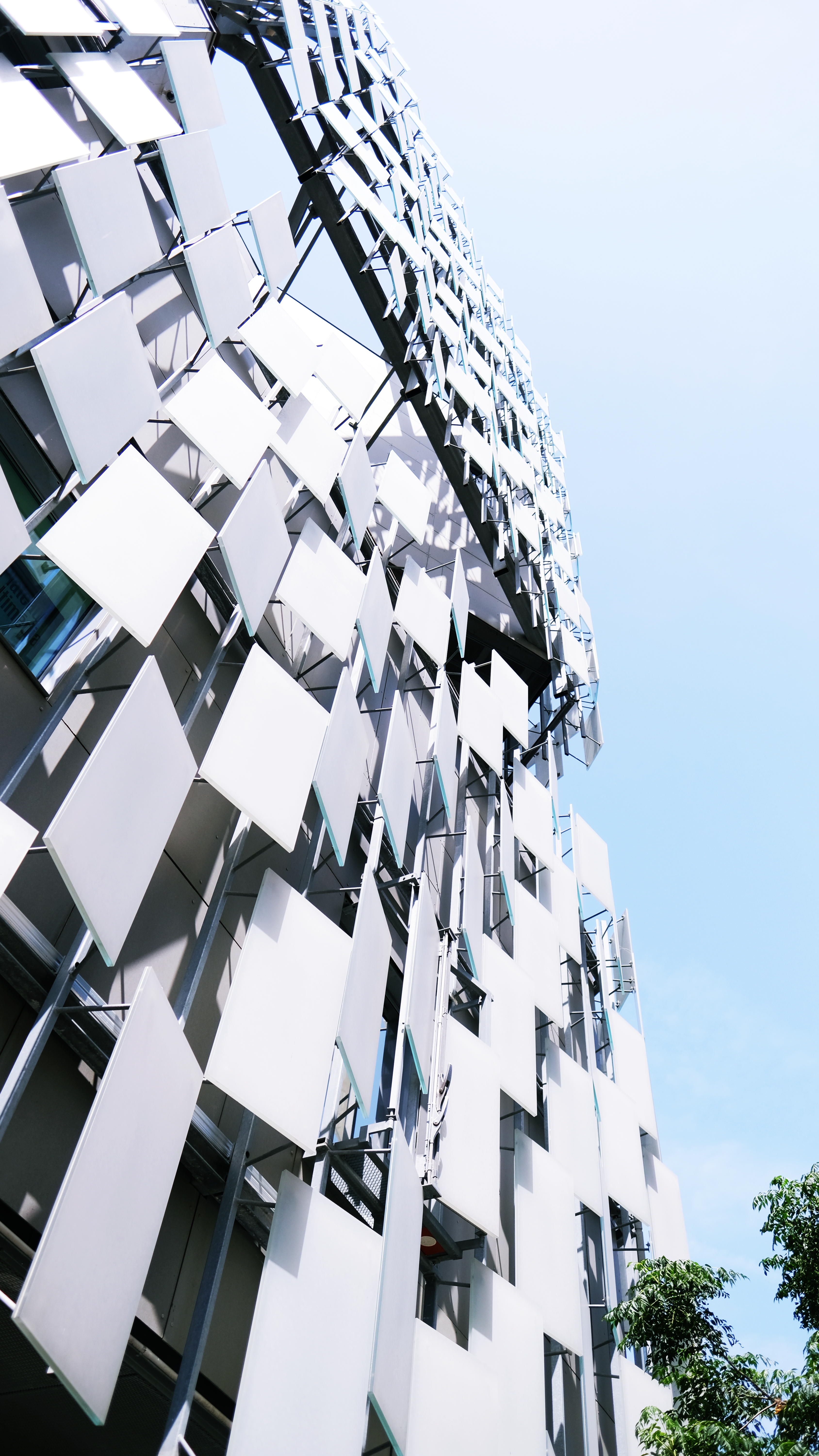
Also located in the harbour district is Kengo Kuma’s Contemporary Art Centre. It is a local art center for the Provence Alpees Cotes d’Azur (PACA) region of France. The facade consists of opaque glass rectangles to create a checkerboard effect, playing with light, shadow, and various levels of transparency.
Rue du Panier
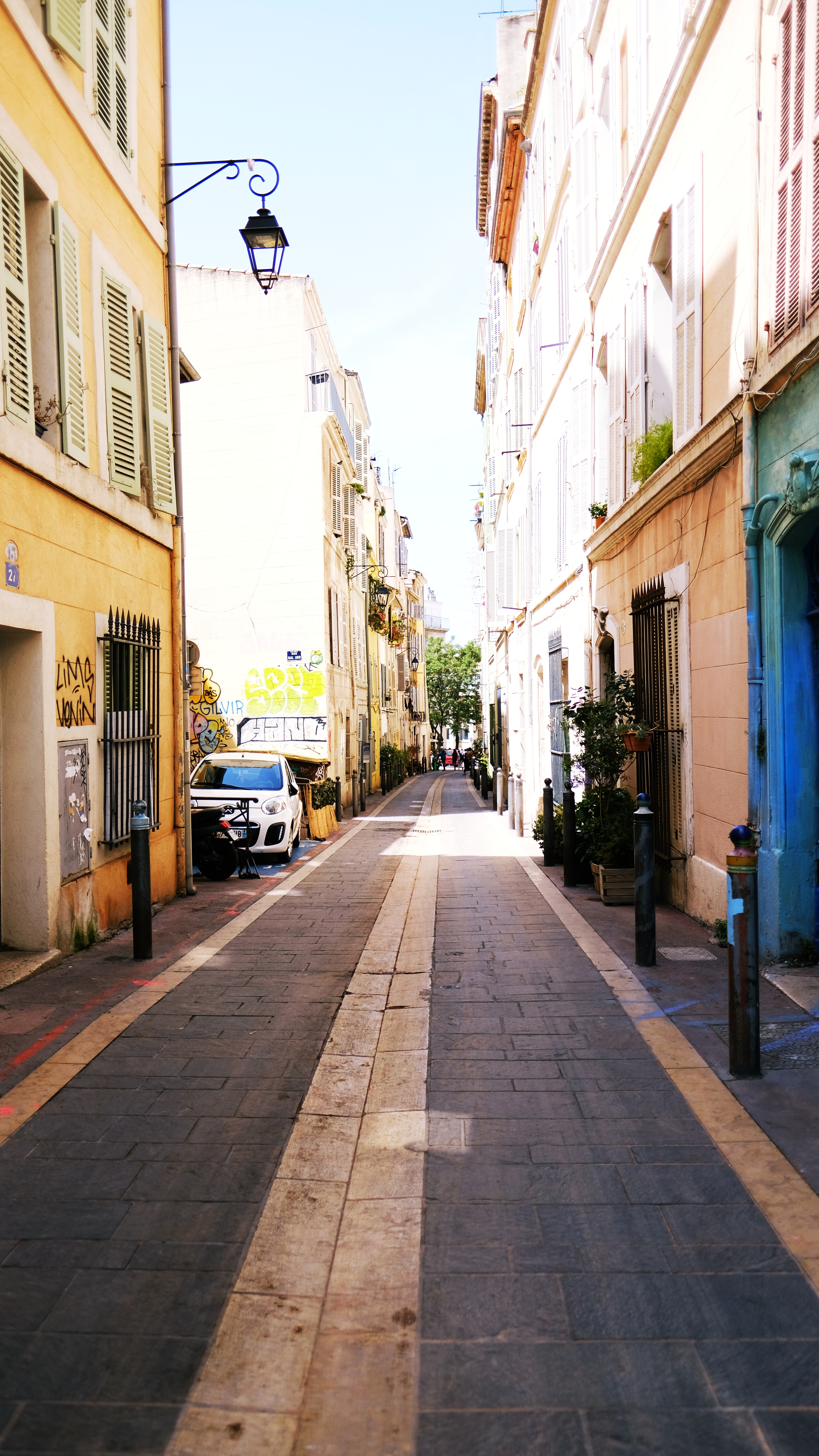

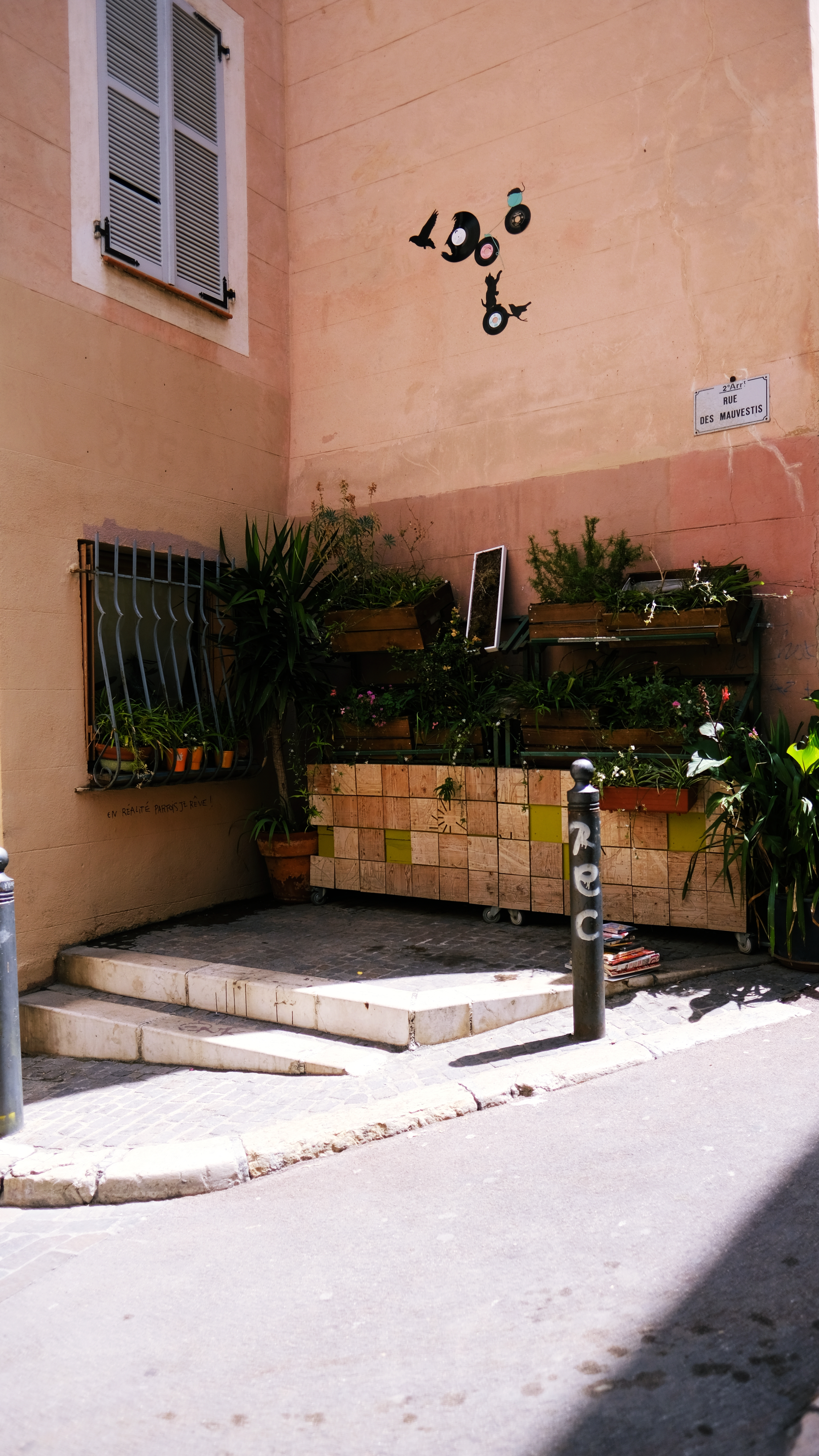
One of the most popular activity to do in Marseille is exploring Marseille Old Town, Le Panier. There are lots of hidden squares and corners with beautiful street art and cute cafes. The area dates back to the Ancient Greeks conquering the land. Today, with its colorful residential houses and residents planting flowers and greenery along the streets, you can feel the artsy ambience mixed with a sense of community.
 Hiraeth